
Beginners Guide to (Outdoor) Running

A huge thank you to Mitchel Jones for help with all of the images featured in this blog.
My mother is a many-times Boston Marathon runner, her sister a world champion IronMan competitor and as for me… I like to put heavy things on my back and walk uphill. Moving fast has never come naturally to me. But about a decade ago, to distance myself from my “freshman 15” I decided that I, like my mother, would be a runner. She is three inches taller than me, her hips line up with my armpits and our running technique would be akin to watching a race between a gazelle and a pug (I am not the gazelle in this comparison in case that was not clear). I remember the day I decided to start running. It is 2.5 miles from my parents’ house to the highway (they live on a farm, in the country, on the top of a hill) and I ambitiously (read: naïvely) thought that 5 miles would be a good starting distance. I made it down the driveway, took a right hand turn and, about a quarter mile down the road turned back onto our property and headed home… defeated. It took me a few days to work up the confidence to go out again, this time with my mom by my side. We walked more than we ran and, when my dad drove past us on the gravel road I seriously considered hopping in the passengers seat of his truck and heading home - he locked the doors before I could even try. We maybe covered a mile and a half that day and then did it again the next day, and again and again. It sucked. I hated it. I hated running. But I loved spending time with my mom, I loved that my clothes fit a little looser and I loved proving myself wrong.
Please note that I am clearly not a doctor, a professional athlete or anyone who should be giving advice about anything. This is all my opinion based on my personal experience and is what I would (and have ) tell my best friend who wants to start running but does not know where or how to start.
1.Have a plan (& goal)
Do you want to be able to run to the mailbox and back? Do you want 15 glorious minutes away from your roommates a day during “quarantine”? Do you want to drop a few pounds or fit into your jeans easier? Do you want to up your cardio so hiking is a little easier? To run 5k? A marathon? An ultra marathon? Think about it. Think about what will keep you motivated to get out of bed and put on your shoes.
2.Invest in the Right Tools
I included a list of some of my go-to items for both road and trail running below. Good running shoes, proper running bra, the right clothing, and running socks will make a world of difference. Nothing puts you off running more than blisters, back pain, and sore heels. Proper shoes were a huge one for me. The pair of worn out sneakers I had been using for years weren’t doing my feet any favours as I upped my distances and consistency and, unfortunately, the shoes my feet chose (yes, just like the wands in Harry Potter - there is a perfect shoe for your individual foot) were a little over $200 a pair. I was 19 and broke and this sucked. When I finally bit the bullet and bought them though, they made me be consistent. I just spent WAY too much money to not run. This motivated me. The best way to find your perfect shoe is to go and get fitted. I know, unhelpful during the time of Covid-19 imposed stay at home orders, try a dozen pairs on, walk around, ask as many questions as you possibly can. If you are at home have a. look at REI’s Expert Advice page for narrowing down your search for your perfect fit. It has a TON of useful questions and information and there is even an option to chat with an expert and have a virtual outfitting session (no obligation, obviously) which could be super helpful while the stores are all closed or if you don’t live in a city or near a running/outdoor store. That can be found by clicking here.
3.Build up endurance with a walk/run technique
One of the quickest ways to get an injury is to go too hard too soon. You can build up your endurance slowly by using a walk/run technique. This method involves running for a set time or distance ( maybe 2-3 minutes) and then taking a planned walk ( 1-2 minutes). You can also do this with distances, my mom and I would count telephone poles, starting with a run one, walk one pattern, then run two, walk one until eventually the walking was phased out. This reduces stress on both the body and the mind and is really great to use in conjunction with training for proper nutrition, hydration and breathing early on - build good habits from the start!
4.Use a program, an app or a coach
I found my first training schedule in the pages of my mom’s Runner’s World magazine (I still have a photocopy of the page in a drawer in my home “office”). I spent a morning writing out what I needed to do every day for the next 12 weeks in my day planner and followed it religiously. A running program is helpful because it ensures that, when starting out, you don’t do too much too soon. It also helps to gradually increase mileage and work on pace. There are so many running programs and apps out there (many are free). Some that I have either personally tried, or have been recommended to me are:
5.Consistency
The real benefit to having a program, a tracking app, a coach or a friend to train with is accountability. Make a plan and stick to it - now here is where it gets tricky. There are days we wake up and are overflowing with excuses not to go run, its too hot, its too cold, there is rain or wind or too much sun, you don’t have time, you are hungover, dehydrated, tired, sore… all of the above. Stop, take a deep breath and do a mental check of your body - is this all in your head? If your body is sore or sick - take a day off, take care of yourself. If it is all excuses in your mind though - commit to lacing up your shoes and going for ten minutes, it can be slow - after ten minutes see how you feel. Chances are you will keep moving (you spent the time getting ready and out the door, plus - fresh air is great!) if you don’t - turn around, that’s 10+ more minutes than you thought you would do. Celebrate that win. But be consistent.
6.Hydrate
There is a fine line (for me at least) between being dehydrated and having to pee every 30 seconds. As an early morning runner (more on that in a minute) my ideal routine is to hydrate before bed, drink a glass of water with electrolytes in the morning followed by a cup of coffee and then go run (up to about an hour - anything longer than that I will need to either carry hydration or make a stop along the way). I also make certain to drink a lot of water upon my return home. This is different for everyone so play around what works for you but being properly hydrated before you go makes a world of difference.
7.Run at the Right Time
Running early in the morning or right before sunset reduces your exposure which dehydrates you faster resulting in a steep decline in your energy. I prefer mornings - it forces me to wake up and get out of bed and then, if the rest of my day is a complete crapshoot, at least I have accomplished something!
8.Strength train
Strength training, even a few days a week, will help your running by building up different muscles in the legs, glutes, and abs, all of which will make you a better runner. I also find that it adds a little bit of variety to my training. I have a cross training workout here and also use apps like TakeTen , Nike Training Club and Active to help me stay on track.
9.Avoid Chafing
Probably TMI but my first few races were uncomfortable. I was not used to running in the heat and came out with chafing in places that confused me (like my sternum… how?!) and places that made sense, like my thighs that touch when I run and the place where the velcro on my hydration belt snuck up and rubbed against my hips- thankful I had my mom to introduce me to BodyGlide. Since my mom is a busy lady and can not personally recommend it to all of you here is my PSA - you want this. Your thighs, armpits, nips, groin etc… will thank you.
10.Post-run stretch
I hate stretching, I hate warming up, I hate cooling down. There I said it. It feels like a waste of my precious time… until I wake up the next morning feeling like I was run over by a garbage truck in my sleep. Carve out five minutes after your run to stretch out your hamstrings, quads, calves, hips and roll out your arches (I use this massage ball - it looks terrifying but works wonders). I personally pair this with my strength exercises. Post-run I will throw on an embarrassing TV show, do a ten-minute workout followed by ten minutes of stretching and get on with my day.
11.Forget about pace
When you are starting out this (IMO) should be the last thing on your mind. I spent years beating myself up about not being fast enough (mainly not being able to qualify for Boston with my mom) - but eventually I found that the less strict I was with myself the happier I was, the more I enjoyed running and, in the most cruel twist of fate, the faster runner I was.
12.Unclench your body.
Remember to relax! It is important to pay attention to your body as you run. If you feel your shoulders start to creep up to your ears or your jaw starts to clench, it’s time to loosen up. If your shoulders start to move toward your ears, relax your fingers and shake your hands for a few seconds to release the tension from your arms. Drop your shoulders and allow your arms to swing gently with your stride. If you find that you are clenching your jaw throughout your run, soften your eyes and allow your jaw to slacken.
13.Rest & Recovery
Resting is necessary to allow recovery on your body to normality. A well rested and restored runners body can bounce back and be ready to do the same and more the next day. This is the master of all excuses, your body will be asking for more sleep, more snacks (filled with good things like protein and vitamins and minerals), extra stretching, massages if you are far bougie than I am and that is accessible to you, demand your partner give you massages - tell them to message me if they protest, hydrate, hydrate, hydrate… take care of yourself. And listen to your body, if it is saying that you need a day off (and it is your body and not your mind saying it) take a day off, maybe do a gentle yoga class instead.


gear:
shoes
Disclaimer - shoes are SO personal. As inopportune as a piece of advice as it is… you should really go into a store and try on a handful of pairs and find the right fit for your foot. REI has free US shipping on orders over $50USD so if the shoes you have at home will not work (and you have money in the bank that you are financially capable to do this) order a few pairs and run around your living room and return what does not work and keep what does. I know - definitely not a perfect solution. BUT you are looking to narrow this search down, as I mentioned REI has this amazing page of useful information to get you there and you can even schedule a time to chat with an expert to try to get you the right fit… the first time.
REI Expert Advice : How to Choose Running Shoes
trail runners
These are two trip runners that I have personally used - the Salomon Speedcross is a very sturdy shoe and I will even use them for hikes that I need more traction than my hiking boots provide. The New Balance Summit Unknown’s are a lightweight option that are perfect for established trails but I did not find they held up the way I personally needed for summit running. If I am packing light and have to choose between a trail runner and a hiking boot I will either pack my Salomon Speedcross or else my Danner Trail 2650 GTX Hiking Shoes (pictured above) the Salomons are a trail runner I can hike in and the Danner’s are a hiking shoe I can run in.
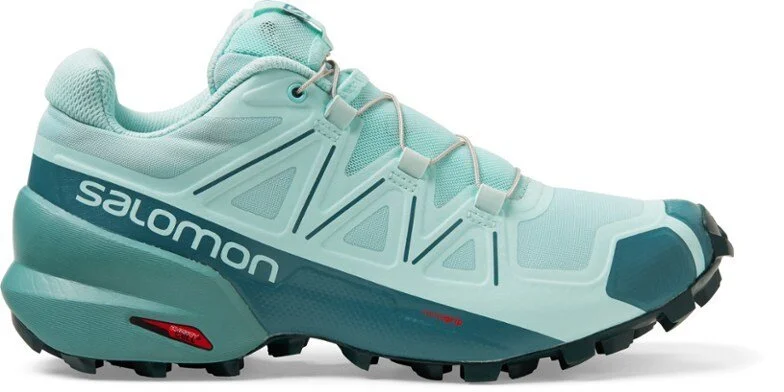
Salomon Speedcross 5
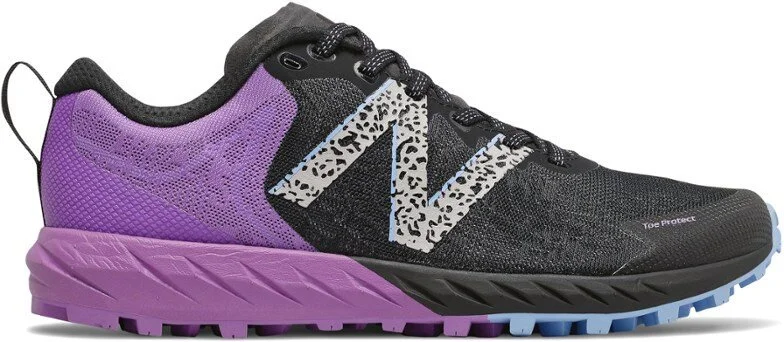
New Balance Summit Unknown
road runners
My mom and I both live and breathe by the Asics Gel-Numbus for our long distance running and my aunt loves her Gel-Kayanos - again totally a personal preference. On my shorter runs (or when I am travelling) I will typically have a pair of Nike Free runners (an older model - not a fan of the new ones) that I will slip on for anything under an hour.
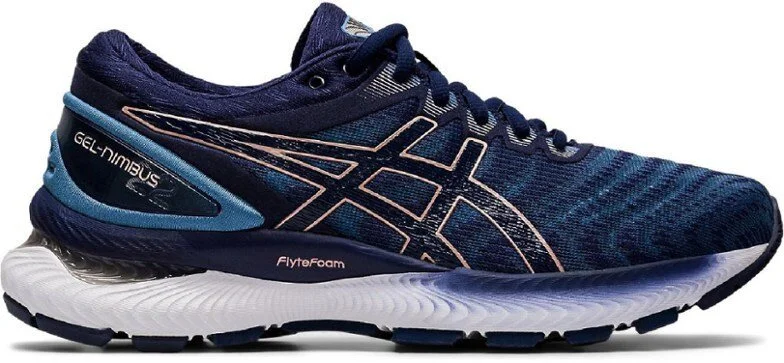
ASICS GEL-Nimbus 22
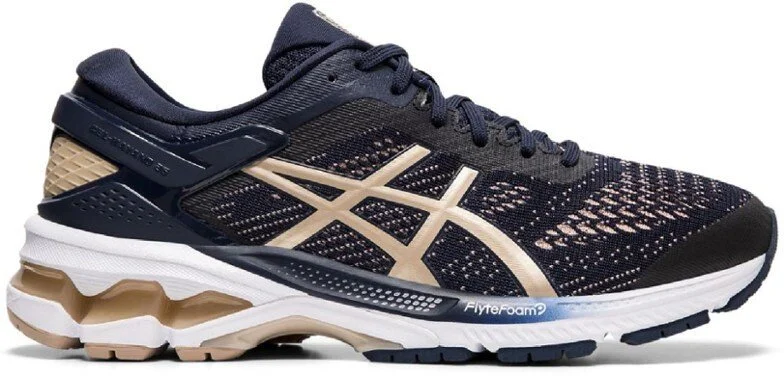
ASICS GEL-Kayano 26
socks
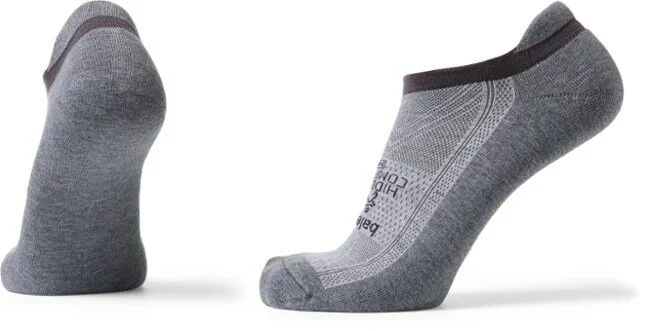
Balega Hidden Comfort Socks
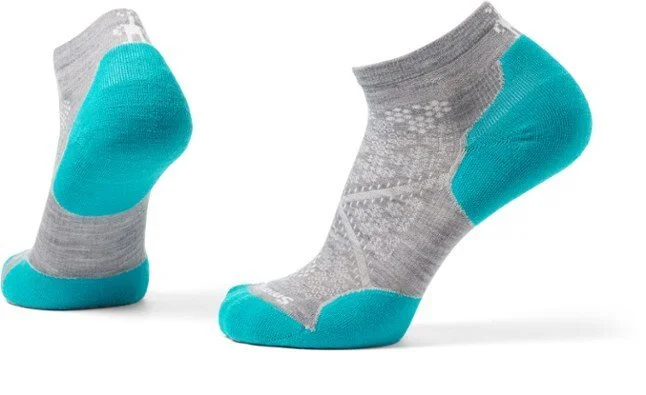
Smartwool PhD Run Light Elite Low Cut Socks
bottoms:
shorts
I have been wearing these Vuori’s for the past few weeks, they are lightweight and have built in panties and the pocket is juuuust big enough for a credit card and my house keys.
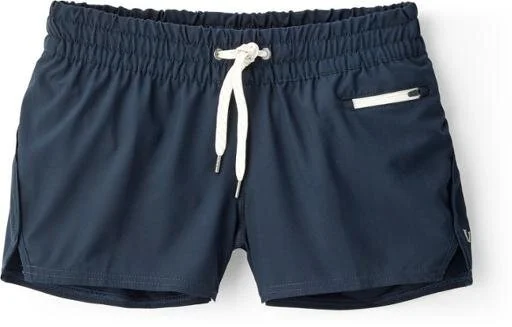
Vuori Clementine Shorts
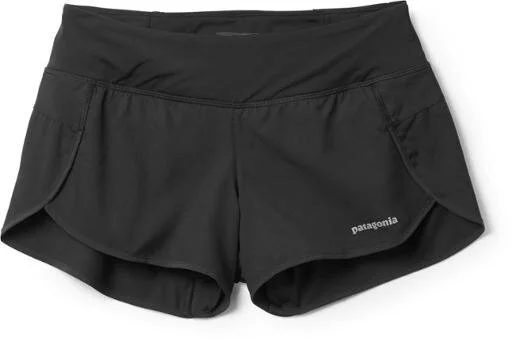
Patagonia Strider Shorts
tights
Depending on where you live shorts may not be an option - I included a pair that are really soft and comfortable (almost like yoga pants), a pair of joggers for when I don’t need to have my butt on display running down the street and two pairs of compression leggings (my personal favourite) to keep everything right where it should be while I am running.

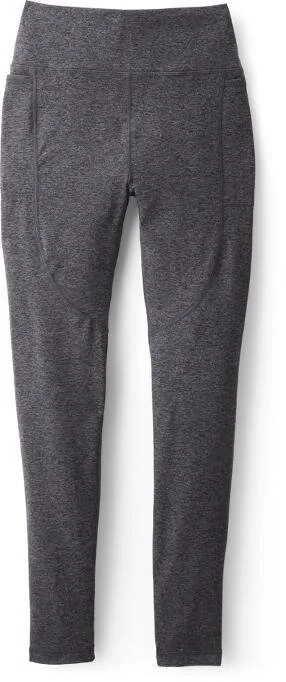


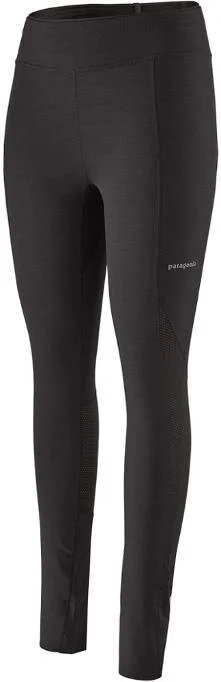

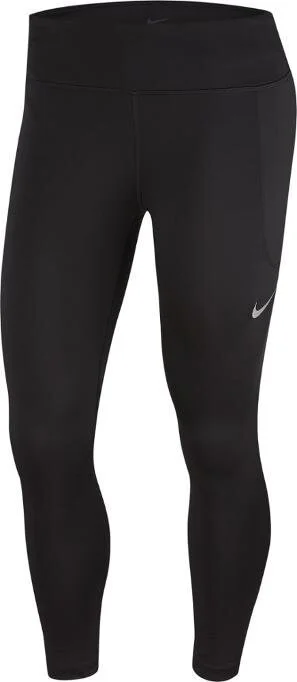
tops:
sports bras
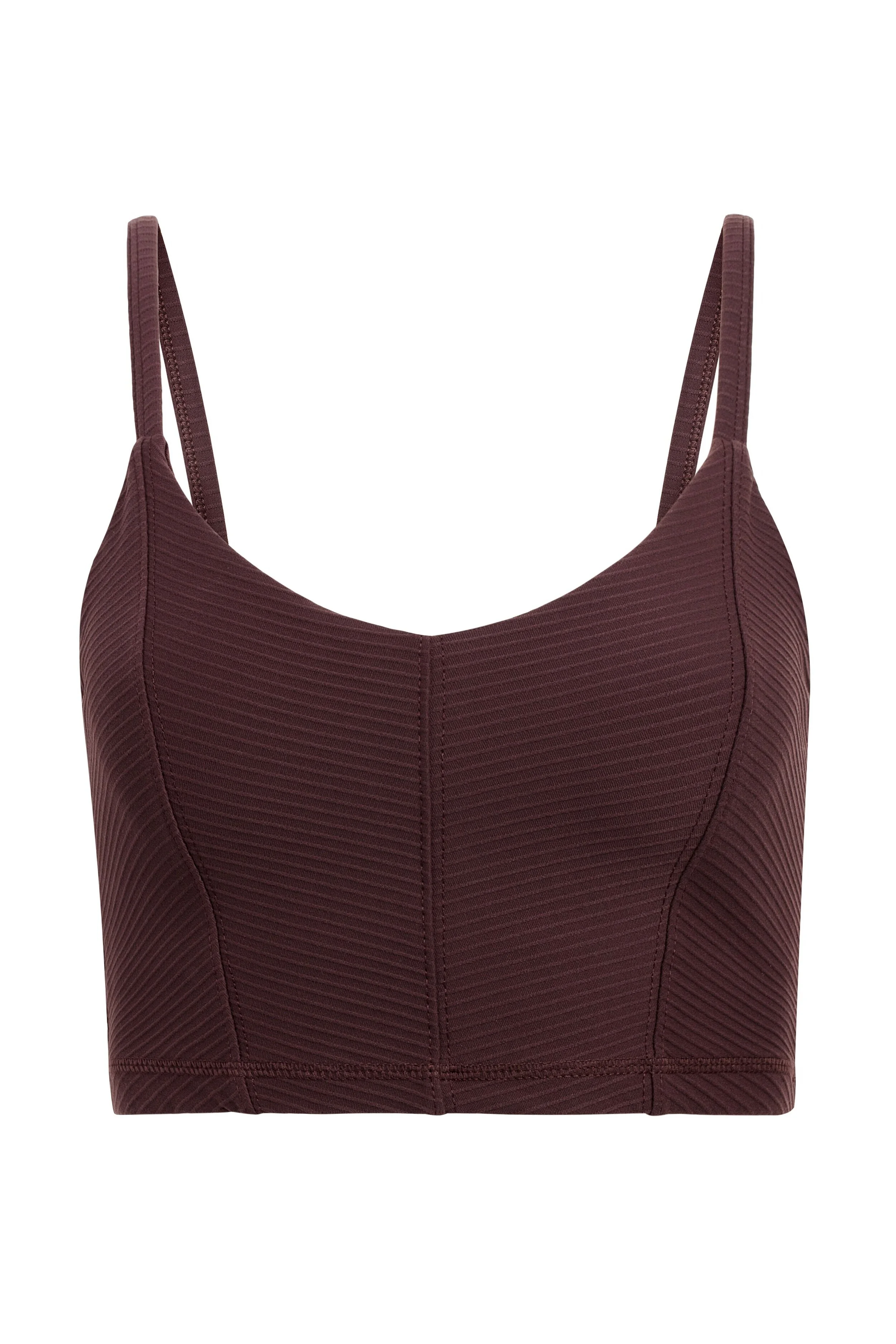
I do not think that it is any secret that I am not a very top-heavy girl. I don’t need a lot of support when I am running so my recommendations below will not be helpful to those of you who need a little bit of extra support. I am sorry. I try my best to only endorse products that I personally have and do use and supportive bras is not something I have needed.

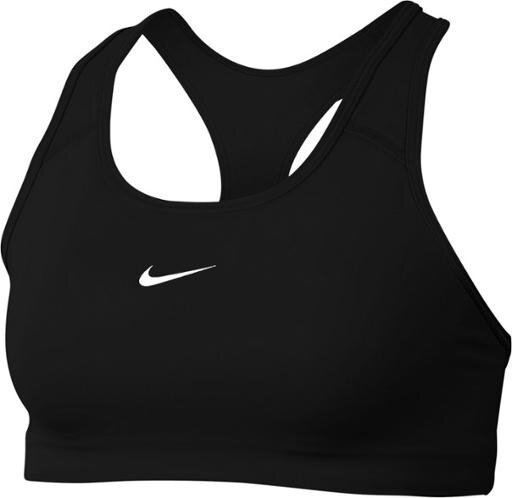

base-layer top
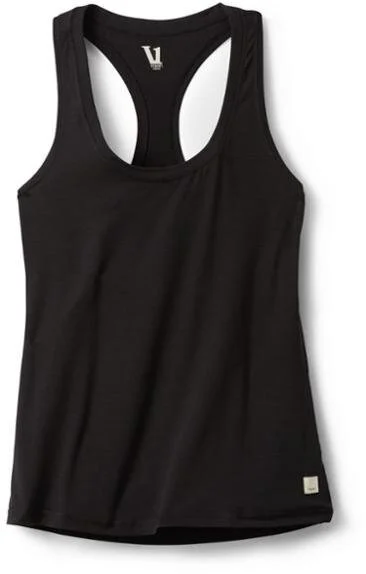
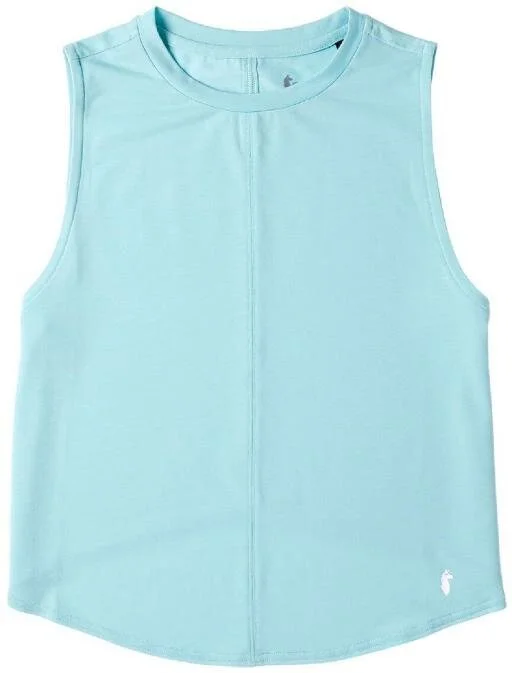
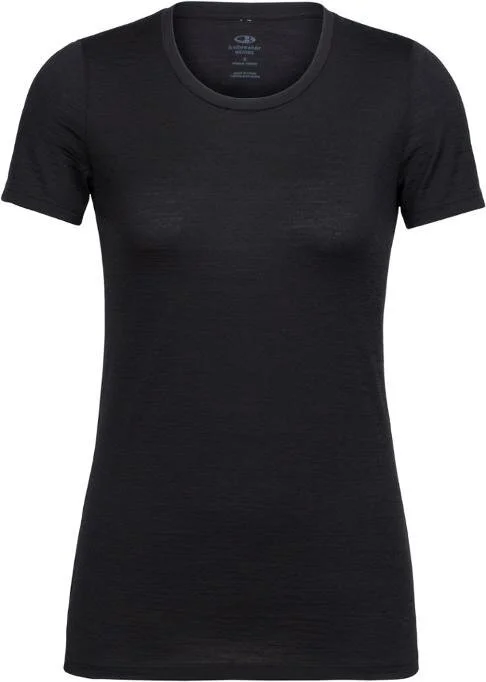
So many options mostly dependant on the weather outside and what you feel like wearing. I have been living in my Vuori Lux tank, and the Cotopaxi (which it does not really show but is more of a crop tank) these days as well as my Nike Element Crew (long sleeve) for brisker mornings in the bay.






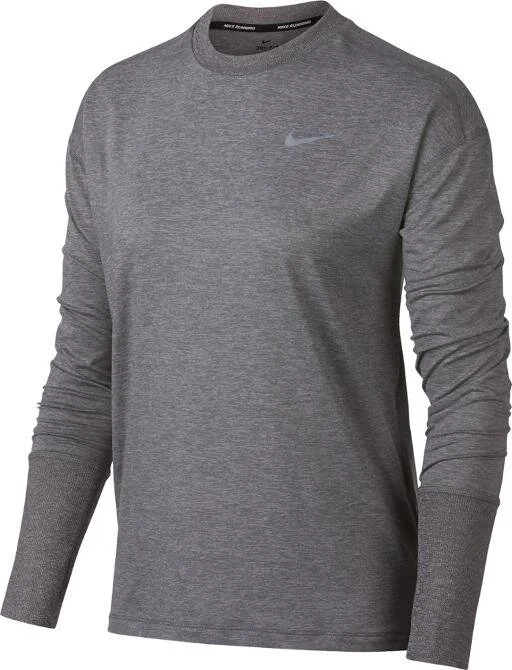


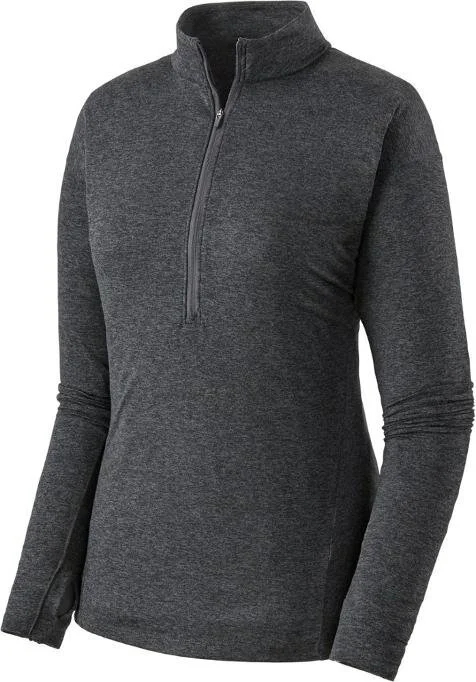

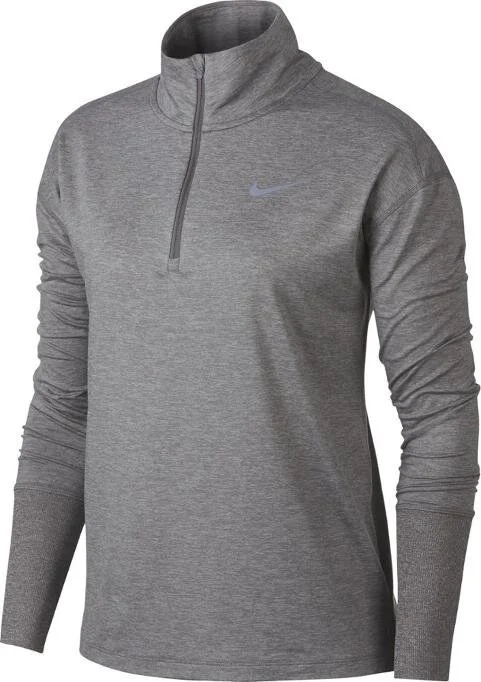
wind/light rain outer-layer
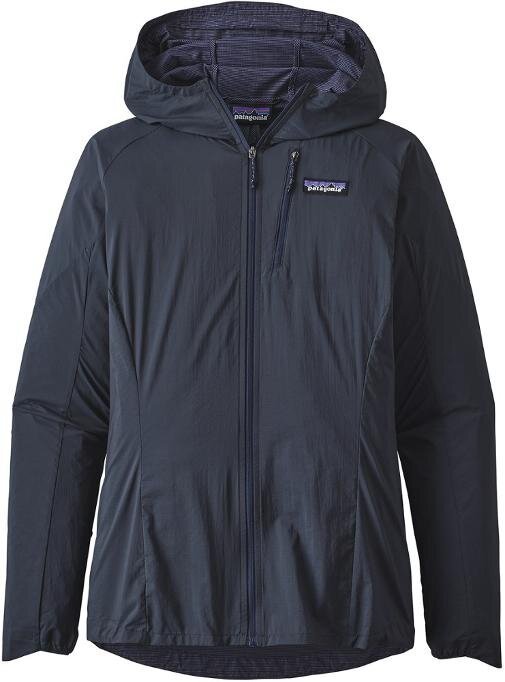
I just got the Arc’teryx Cita in the mail and LOVE it (Arc’teryx fits small in general so size up one size for a normal more fitted look and two if you think you want it a little looser) - there is also the Arc'teryx Norvan SL Hoodie which (for how I run) is a little bit too much. I do not enjoy running in really adverse conditions and would likely opt to either indoor run, cycle, skip, swim… BUT it is an amazing jacket but just too technical for what I want/need.

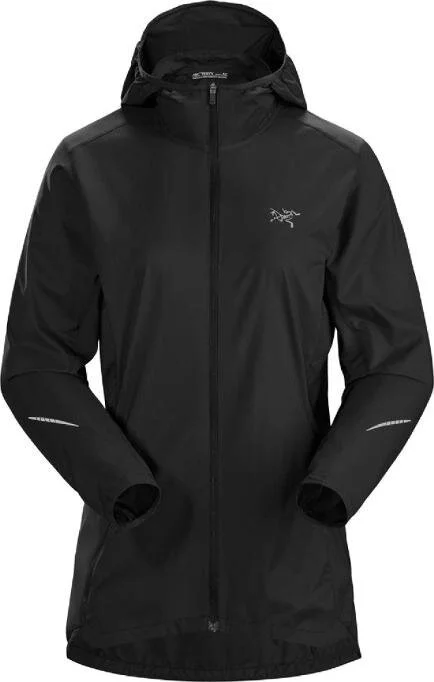

accessories:
water belt
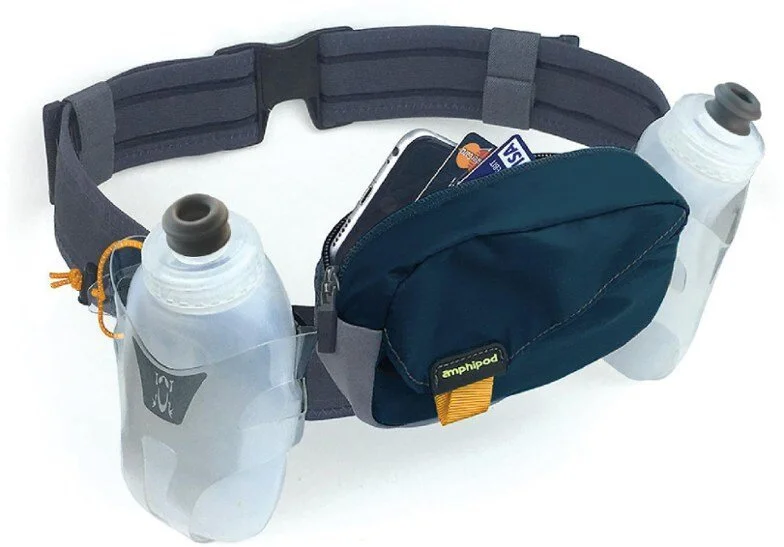
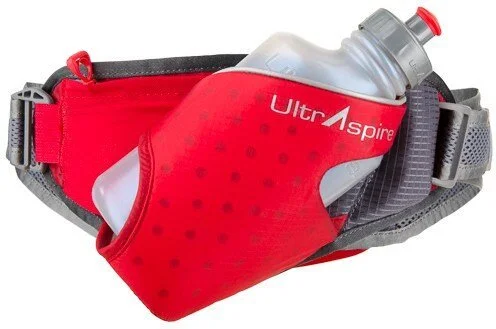
I do not enjoy carrying things in my hands when I run so I purchased a hydration belt years ago (it was a co-design between lululemon and amphipod very similar to this one) that I really love - my mom swears by the full bottle belts. Again totally personal preference. This also gives you a pocket for your phone, some cash and a card in case you need a coffee stop along the way.


water vest
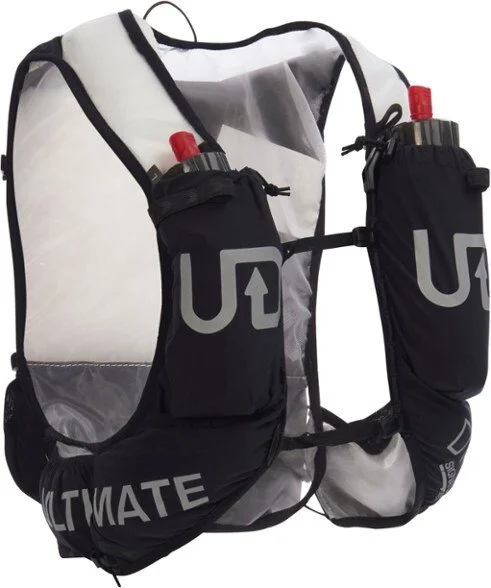
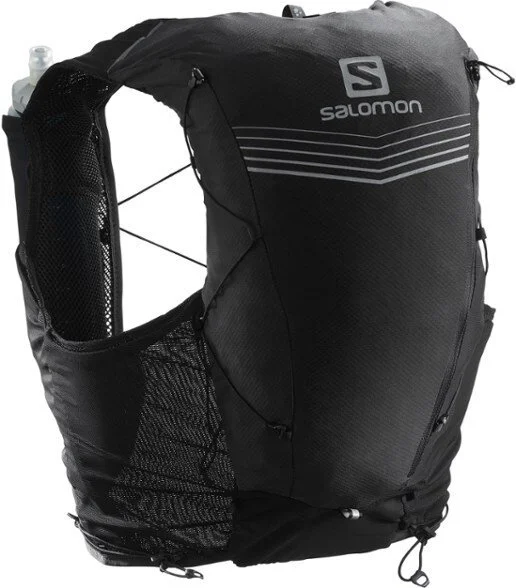
This is a new purchase for me and I was super torn between these two of all of the options that I tried. In the end I went with the Ultimate Direction. It is really small (basically only covers what a sports bra would) but I found it super comfortable to use, easy to drink from and once I got the hang of the pockets (like my phone going at the top on my back) I fell in love with it. It fits like it was actually designed for human women (which seems to be a rarity in the trail running apparel industry). The Salomon is AMAZING but its best uses would be a little longer/more technical than where I am at trail running. It has a much larger capacity and therefore has a longer body and is a little bit more rigid in its design. Both amazing hydration vests.


running watch
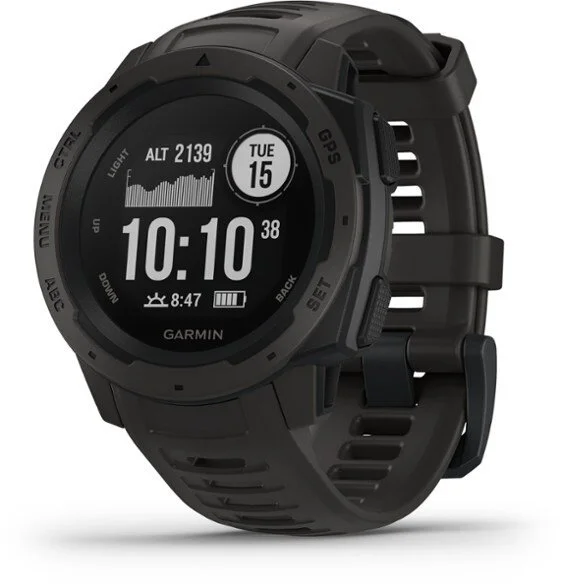
I do not currently use a running watch. I did in my years of rigid marathon training and felt like it held me accountable - which I needed at the time. I have been researching getting one (as mine is now a decade old and the technology is less than my iPhone) and these are the two that have been the most recommended and come out the highest in my research - the instinct being slightly more rugged. If you have a running watch and love it though - let me know!


*Please note that some of the links above are affiliate links, and I may earn a small commission on any purchase made - at no additional cost to you. As always, all ideas and opinions expressed in this post are entirely my own. Thank you for your support!
AND IF YOU ARE LOOKING
FOR MORE,
here are a few recommended
blog posts.


