Beginners Guide to Trail Running

The thought of trail running used to intimidate me, I imagined scaling mountains at full speed for extended periods of time. But I enjoyed running and I loved spending time out in the mountains so my curiosity got the best of me and I realized that all of the preconceived notions that I had about trail running were untrue. This sport that I found intimidating and inconceivable as being challenged at both running and hiking somehow made sense. In reality, road running is more akin to lightweight, faster (and more fun) hiking. With trail running the uphills are typically walked, the flats jogged and the downhills - depending on your comfort- are sprinted (okay maybe that’s just me). And without a clunky backpack strapped around your chest and waist, these things feel natural. I will outline a few tips and tricks for trail running, as well as the ways in which it differs from road running below. But the entrance bar to venturing into the world of trail running is a surprisingly low one.
the basics

1. specialized gear
Road runners vs trail runners :
Essentially, trail shoes differ from road runners in two ways. Most notably the sole of the shoe will have a much ‘toothier’ grip. This will help in grabbing on to the uneven terrain and prevent slips. As well most trail shoes will contain a ‘rock plate’ in the front sole of the shoe to protect the ball of your foot as well as toes from being jabbed with rocks through the sole when your forefoot strikes the ground. This will decrease the shoes flexibility a bit, but that will help you maintain a stable footing as you traverse the trails.
Hydration:
There are two (and one sub category) types of hydration systems for trail running:
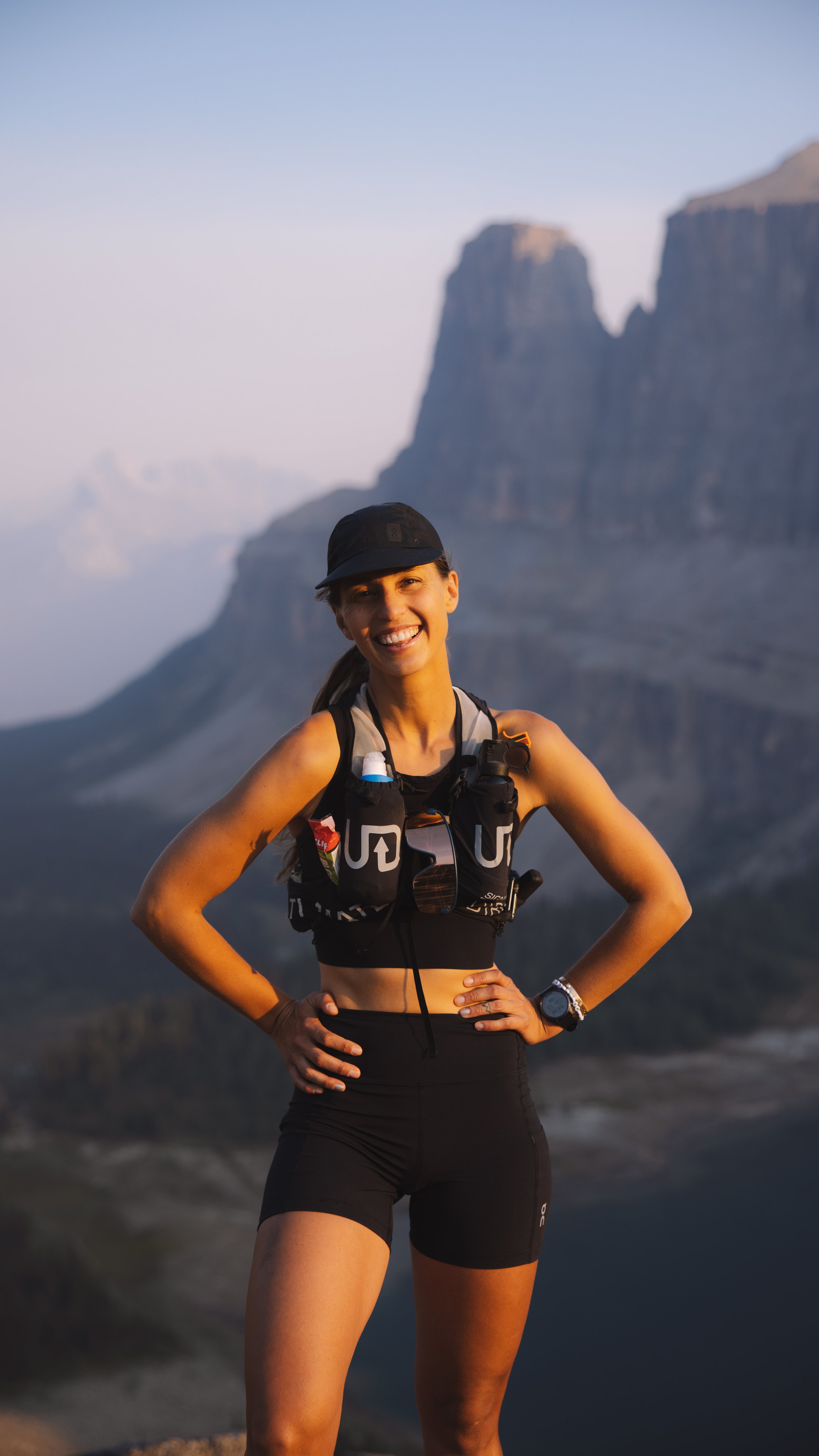
Vests. You can choose either a bladder system or a bottle system but essentially these are strapped tightly to you from the shoulder to mid chest and hold no only your hydration but also and snacks, safety equipment (we will get into hat later) and layers that you may need
Belts. If a vest isn’t your thing, you can opt for a hydration belt that will serve the same function (carrying water, food and supplies) but typically these have a much lower capacity and will not be as useful if you choose get into longer times/distances.

2. Pick up your feet (be prepared to trip and fall)
As someone who started as a road runner and a hiker and combined the two… picking up my feet was one of the hardest obstacles to overcome. Even in the absence of tree roots and rocks, the uneven terrain that comes with the territory of trail running often means a (big) adjustment in how much more energy you will need expend on lifting your feet off of the ground. Be prepared to take a tumble or two when you are getting started and don’t be discouraged by it - thankfully the ground is a lot more forgiving typically than when running on pavement. The big trick to trail running is looking ahead much further than in traditional road running - I like to think of the trails as one big obstacle course, a series of problems to solve. It keeps my mind a little bit more occupied and focused and turns my run into a game.

3. Time over distance (let go of pacing)
Something you will need to expect is a drop in your regular road running pace by quite a bit, but that’s okay! The added elevation changes, and varying surfaces will more than make up for the lack of speed in the effort and mental endurance department.

4. Bring your own hydration, electrolytes and fuel (and more than normal/road running)
Unlike when running on a road - you will need to bring everything with you when trail running (no corner store or coffee shop to pop into every 100 meters). But this is where running vests and belts come into play. They keep everything snug against your body so your hands are free and there isn’t anything bouncing, shaking or rattling while you run.
Hydration: the rule of thumb is to drink 17-20 ox 2 hours before your run, 5-10oz every 15-20 minutes during your run and 16-20oz for every lb lost after your run. I like to do 50:50 with pure water (easier to drink with snacks) and electrolytes. Two of my favourite electrolytes right now are Laird’s coconut water and Nuun Watermelon.

5. Know the rules
Just like hiking, biking and camping, there are trail etiquette rules that you’ll want to know to be a courteous trail runner.
Stay on marked trails. That includes running through puddles and mud in the marked trail, as running around these makes the trail wider or creates new trails.
Practice Leave No Trace
Be conscious of other trail users. Loudly call out “On your right (or left)” when approaching them from behind to avoid startling other runners, or hikers and/or taking them off guard. Make room if you hear someone is coming up behind on a narrow, single track.
Keep distance. Maintain a healthy distance of at least 10 feet from other runners if you are running with a group and ALWAYS run single file. Bonus: with this extra distance you have a better view of the trail ahead.
Yield to horses, technically mountain bikers are supposed to yield to you - but rarely do. So from a personal safety standpoint it is safe to yield to them as well.
Yield to uphill runners when you are going downhill. They are putting in more effort.
Be friendly. This is what good etiquette is all about. Smile, be of help and be happy about being able to share the great outdoors with other outdoor junkies.
Keep it positive. Try to contribute to the trail community and expand it, even if it’s just with a smile, a node, or a few short friendly words.

6. Safety
Always let somebody know where you are going, your route, when you expect to hear from you and at what point they should be worried before you hit the trails.
Download your route (and charge your cell phone) before heading out. I like using apps like Maps.me and MapOut wherein I can download map segments and it will live update where I am on the map. Even if you don’t have service or find yourself off trail it will help. You will not always have service - know your route and consider bringing a compass and physical map (and know how to use them) in remote and unfamiliar areas - especially when going out alone.
Bring a small paper with your personal information on it and emergency contacts.
Carry bear spray (check out this tutorial for how to properly use it) if you are traveling through their habitat.
Bring a headlamp and a few layers regardless of when you go out - you may have too much fun and stay out late (best case) or need it in case of an emergency. And always always check sunrise and sunset times before you go out.
Make sure you keep your eyes open and stay focused on what’s around you. Use your common sense as much as possible to stay safe.

bonus: Roll out your feet and calves
When you get home, especially if you are a seasoned runner, pick up a small ball and a foam roller and spend 15-30 minutes rolling out your feet and calves post-run. This is a great time to re-hydrate, slow down and take care of yourself a little. The uneven terrain works muscles that you didn’t know existed and you will be sore in a different way than traditional running. It is normal and a. good thing - it means you are getting stronger.

Gear guide

Clothing
Wind and waterproof jacket
Tops
Bras
Bottoms
Socks

Gear and fuel
Hydration Vest
Hydration Belt
Running Watch
Trail Runners
Snacks, Gels and Electrolytes

Safety
Headlamp
Bear Spray
Bug/tick repellant

Accessories
Hat
Sunglasses
Sunscreen
Lip chap
Skin Lubricant (what a weird term)
Bodyglide For Her Anti-Chafing Skin Protectant - 0.35 oz - I don’t know what makes it “women’s” other than the pink packaging. Its all the same price. I use this on my inner thighs, along my panty line and also on my sternum where my bra band rubs.
Bodyglide Liquified Powder Skin Lubricant - 1.6 fl. oz. - in case you would prefer a cream to a stick.

*Please note that some of the links above are affiliate links, and I may earn a small commission on any purchase made - at no additional cost to you. As always, all ideas and opinions expressed in this post are entirely my own. Thank you for your support!