From Sitting on the Couch to Solo Camping - My Step By Step Guide
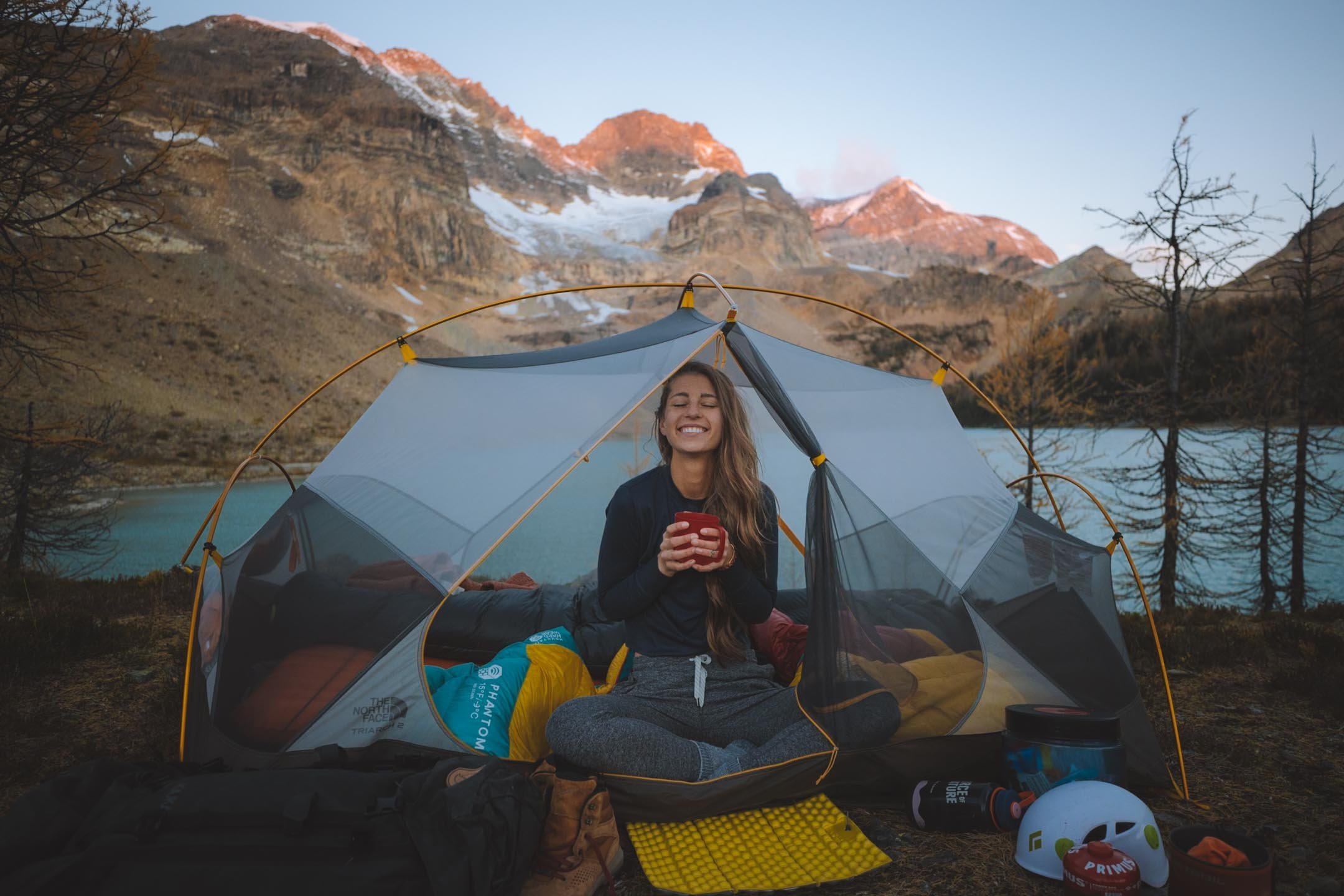
My story of backcountry camping starts in the spring of 2014 with a guided trip to the bottom of the Grand Canyon. I was hooked. I have dedicated my life since to spending as many days under the stars and out of my bedroom as possible. And admittedly have been extremely lucky in that I have never knock on wood had a serious accident in the mountains. But somewhere along the way I realized that time in the outdoors is also where I get my best thinking done. Away from the dings of cell phones, the horns of cars and familiar, albeit distracting, voices of friends. The place I go when I need to find myself. That and a series if really flaky camping buddies - and here I am. An avid solo female backcountry camper (the female part I do have no control over). And I know it can be intimidating - a thin sheet of nylon your only protection when you are at your most vulnerable. So I jotted down everything I think would help if you are just getting into backcountry camping. I hope it helps!
I was interviewed for Nomadic Magazine in 2021 and their final question sums up my feelings quite well.
How would you convince others hesitant to go camping (alone) to actually get out and do so?
I would firstly tell them to read my blogs about solo backcountry camping to make sure you are doing it safely. Being safe and being responsible (for yourself and the planet) are top two always. But after that, I would also say don’t jump into it. If you are really hesitant you likely aren’t at that point yet. Get comfortable with day hiking (both alone and with friends, on busy trails, and more remote trails) and then move into the same with camping. Go drive up camping with friends, then do it solo, go to a busy campground with friends, and then maybe go solo. This is great because if there are any issues other campers are generally super helpful and you won’t really feel alone. And then try backcountry wilderness camping with friends (maybe even try a camping trip with friends but where you have your own tent and set it up a little further away) - get really comfortable with all of those with navigation and safety and how to go to the bathroom in the woods and how to store your food properly. And then, if you really really want to, then try solo backcountry camping. It isn’t for everyone - most of my friends both think I am crazy but also have no desire to try it and that is awesome for them (I cringe when they invite me to brunch on a Saturday - everyone has different tastes and preferences and desires). And for the record - there is nothing wrong with never wanting to try it. There is nothing wrong with hiking back to your car at 2AM because you are not at ease or could not sleep. There is nothing wrong with staying up all night watching Netflix that you downloaded on your phone. There is nothing wrong with using your satellite phone to text your parents. I have done all of these things. I am naturally a very solitude person and it took me years to get to a point that I felt comfortable going camping alone. Don’t rush it. Don’t force it but also - if it is something you really feel like you want to do - do it!
Also in the sake of full transparency. Some of these photos were not taken on solo trips. They were taken when out with friends. Thank you to Michael Sugianto, Mitchel Jones and Ryan Clennett for help with these images.

Work your way up, my experience checklist for going solo backcountry camping:
Day hike with friends
Day hike on a busy familiar trail alone, then a less busy trial, and then maybe a more remote trail - The goal here is to get more comfortable being alone on the trail. In daylight hours, with a lightweight backpack.
Take a guided backcountry camping trip - This was the most beneficial for me, a financial investment but it meant that I could ask as many questions as I could think of without feeling guilty and learned a lot of hands on skills.
Take a backcountry safety class - online, in person or for more basic skills check out YouTube for free tutorials
Go on a car camping trip with friends, the next time book your own campsite at the same campground and then finally go to a campground you know there will be people at but alone.
Go on a backcountry camping trip with friends, the next time stay at the same campground but on your own and then go to a busy, familiar backcountry campground solo.*
* The middle step for me was the most beneficial. This got me used to packing for myself, planning and organizing and taking care of myself. But if I got lonely or forgot something - I knew friends were nearby to help. Same with booking into campgrounds. There will be people around if you need them - but generally speaking you can be alone.

Safety notes for solo camping- how to be prepared
I am of the mindset that you will attract the energy you give out. So I do my best to mitigate risk and try to not worry about it. That is not always the most realistic way to think, especially as a solo female backcountry camper. Most women I have spoken with fear men on the trail more than wildlife (bears topping the wildlife category) - and as much as I hate to admit it - this is a valid concern. This is my advice for mitigating risks with unwelcome guests and what to do if/when something does arise.
I will say this with the disclaimer that I have never, once, in all of my years of backcountry camping (solo or otherwise) felt uncomfortable, threatened or scared from interactions with other people. I believe people generally have good intentions and although I am aware that terrible things happen and am prepared for them. But I do not focus on that or seek it out. I assume that if I had a negative interaction my mindset would change.
Get your packing dialled in - scroll down for some of my tips or check out my full Solo Backcountry Camping Gear blog
Research your hike, trail conditions and weather forecast before heading out.
Personal pepper spray is not legal in Canada but if you live somewhere it is and feel confident knowing how to use it - this along with caring firearms is not something I personally a mindset I subscribe to but it is an option . I do carry bear spray and a small knife (primarily for emergencies and opening snacks) and sleep with those in my tent as I live in an area with a dense grizzly population.
Let someone know your plan. A note of where you are going (a link to the trail), when they should expect you back, when to call SAR if they have not heard from you and what you are wearing.
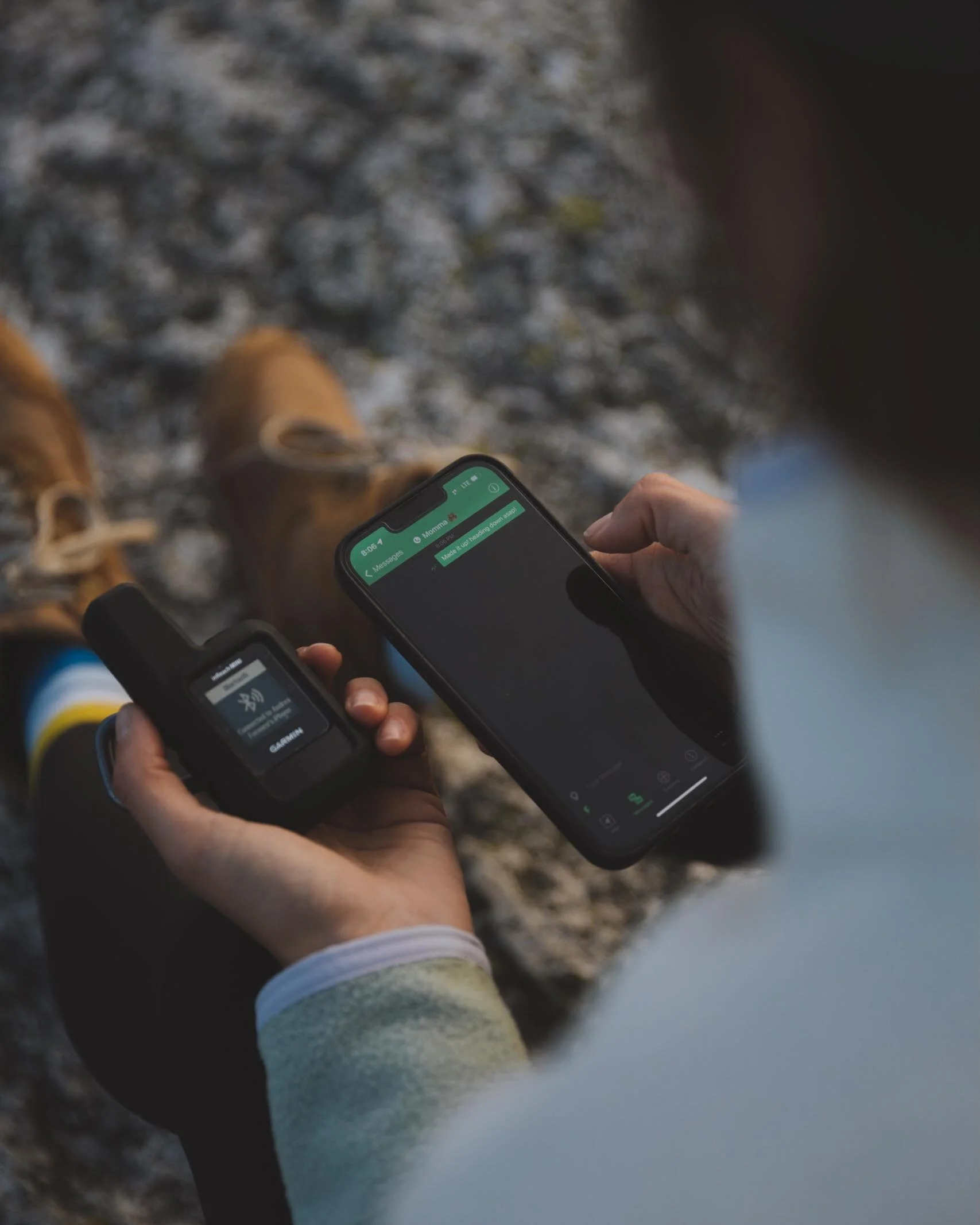
Carry and know how to use a personal satellite phone or emergence device. I use the Garmin InReach Mini and bluetooth connect it to my phone.
Most backpacking bags have a small whistle on the chest strap - three sharp blasts is an emergency. If you need to use this - do not hesitate. And also if you hear it - help.
I personally do not believe in lying about a friend or partner being on the trail with me. I think it is so incredibly easy to disprove and is an indicator that you are vulnerable and scared - if someone has negative intentions they will pick up on this immediately. I have had a ton of really incredible conversations as a solo female backpacker on the trail - mostly with groups of men if I am being honest. If there was a point at which I was uncomfortable or felt unsafe. I would leave the trail or go to another campsite before telling a lie that could put me in danger.
There is nothing wrong with hiking all the way in, setting up came and then changing your mind and deciding to not spend the night. Trust your gut - but learn the difference between nerves and fear.
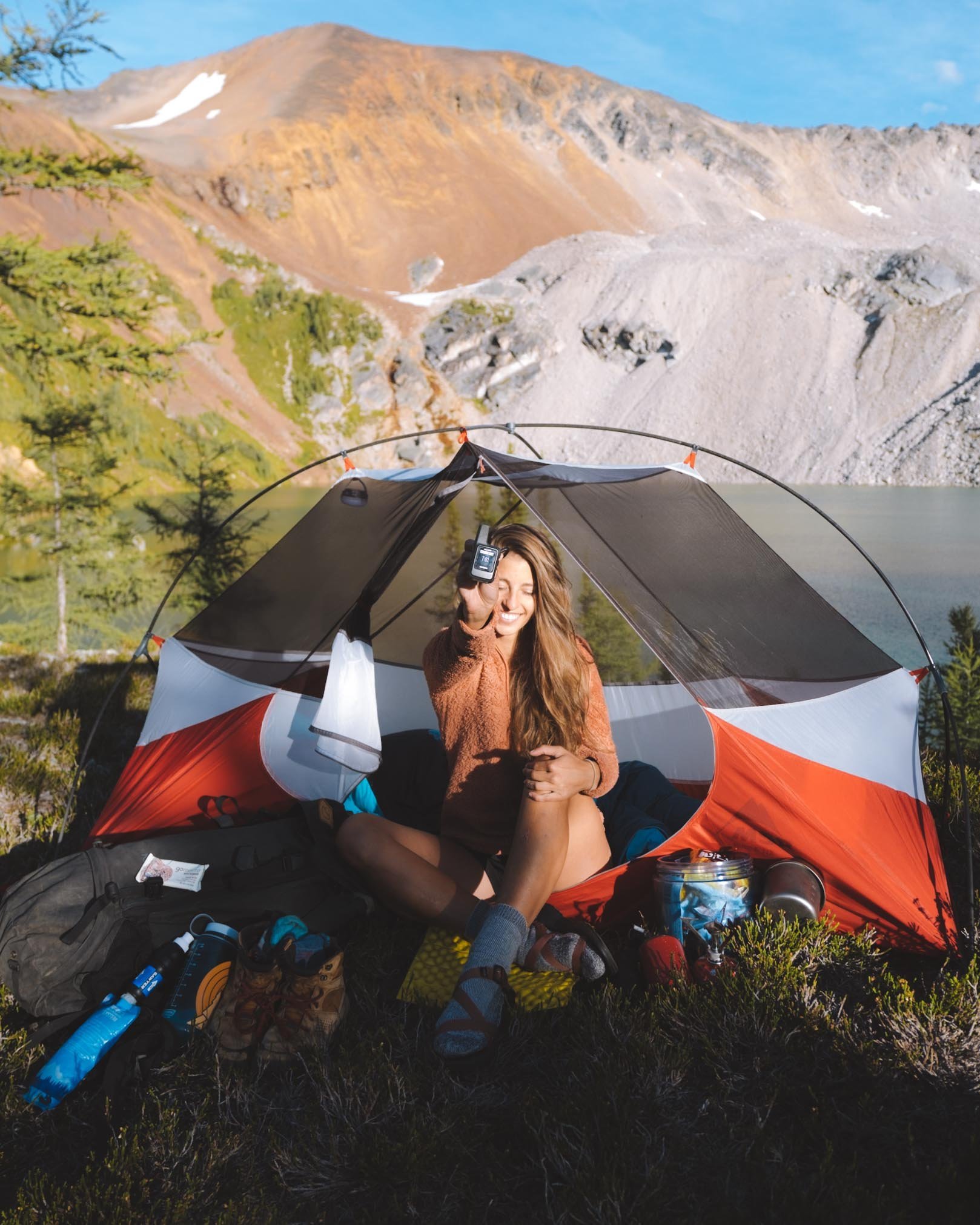
Skills that you will want to master before heading out alone:
These are the fundamental skills that I have needed when going backcountry camping in general abut especially without anyone else to rely on for help. You can obtain these skills from friends and family, a guided trip, a safety class or most you can learn from blogs or YouTube tutorials.
Navigate - plan your trip, have and know how to read a physical map and compass
How to pack your backpack properly - where and how your bag is packed will impact how heavy it feels
Pitch a tent - practise this in your living room or back yard.
Set up camp - what you want in your tent with you, where your backpack will go, the fewer on the fly decisions you make camping the more natural it will feel.
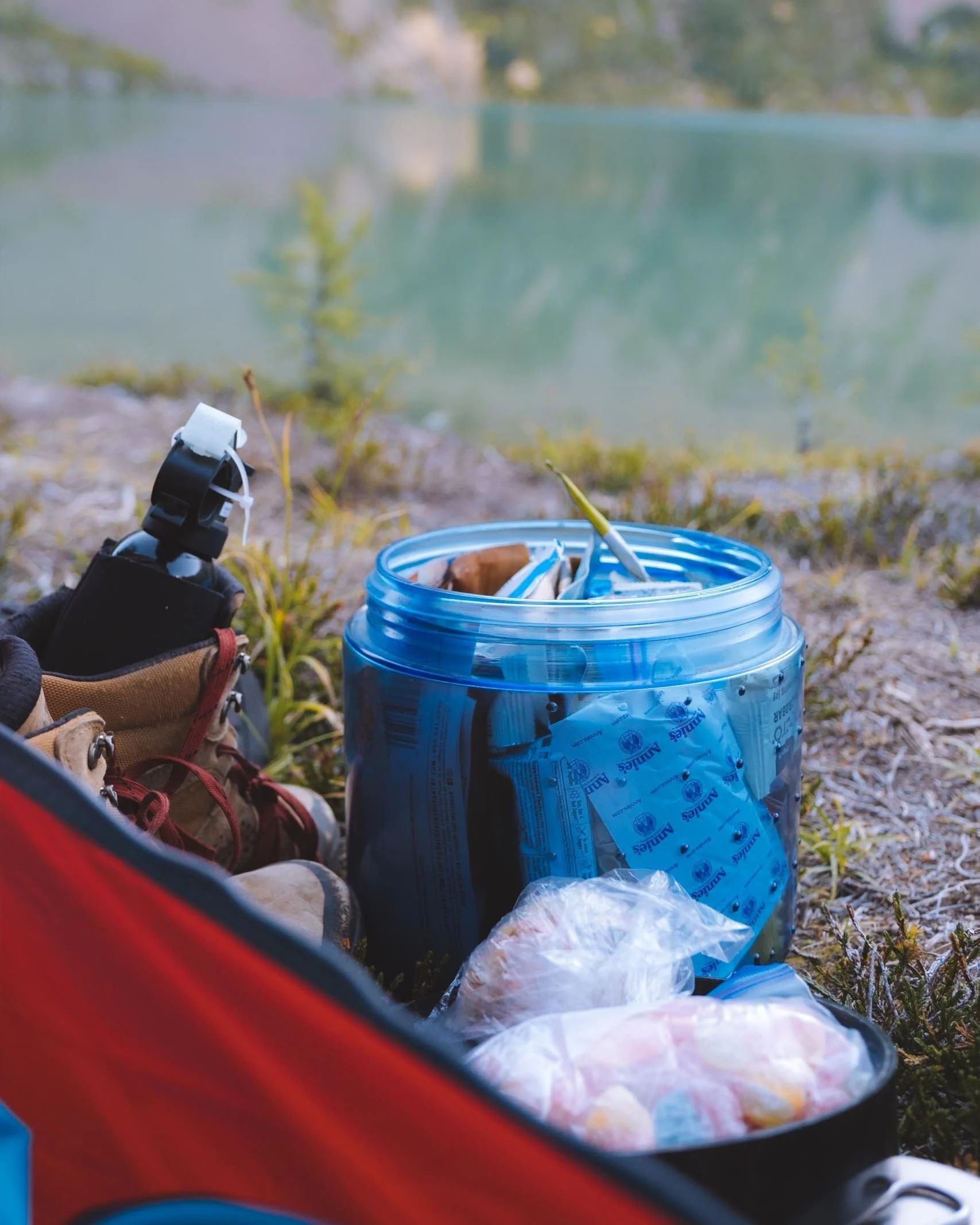
Proper food storage if need be - check your campground for Brar caches, hangers or ensure you have a self-sufficient plan (I use this bear bin)
How to purify water -I personally use a steripen but many prefer to use filters
Handle run-ins with wildlife, including big predators like bears
How to check the weather forecast - I use the website spotwx.com in conjunction with mainstream weather forecasts
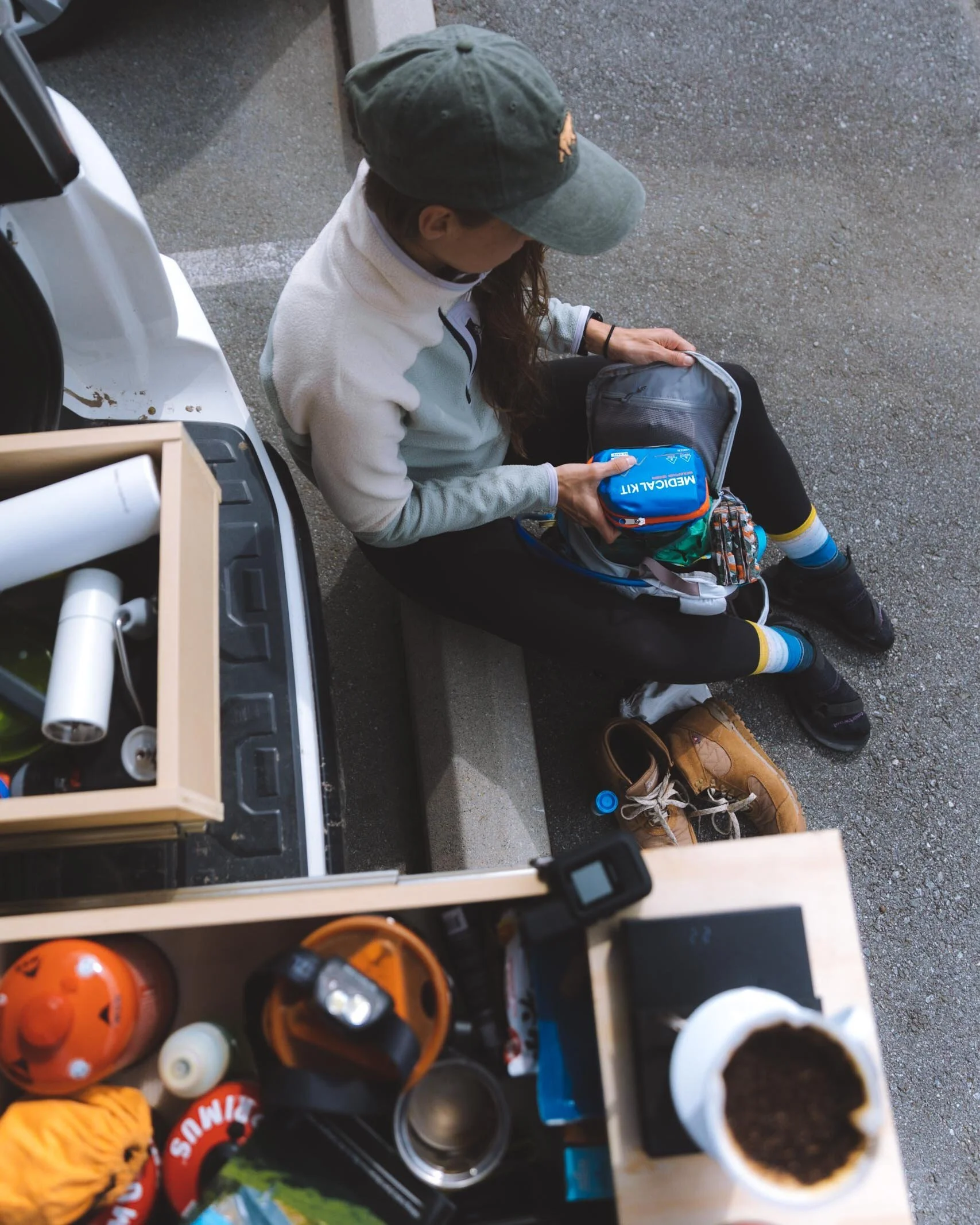
How to deal with injuries and when to call for help - I carry a Garmin InReach for emergencies and have a small medical kit for bumps and bruises
How to go to the bathroom in the wilderness
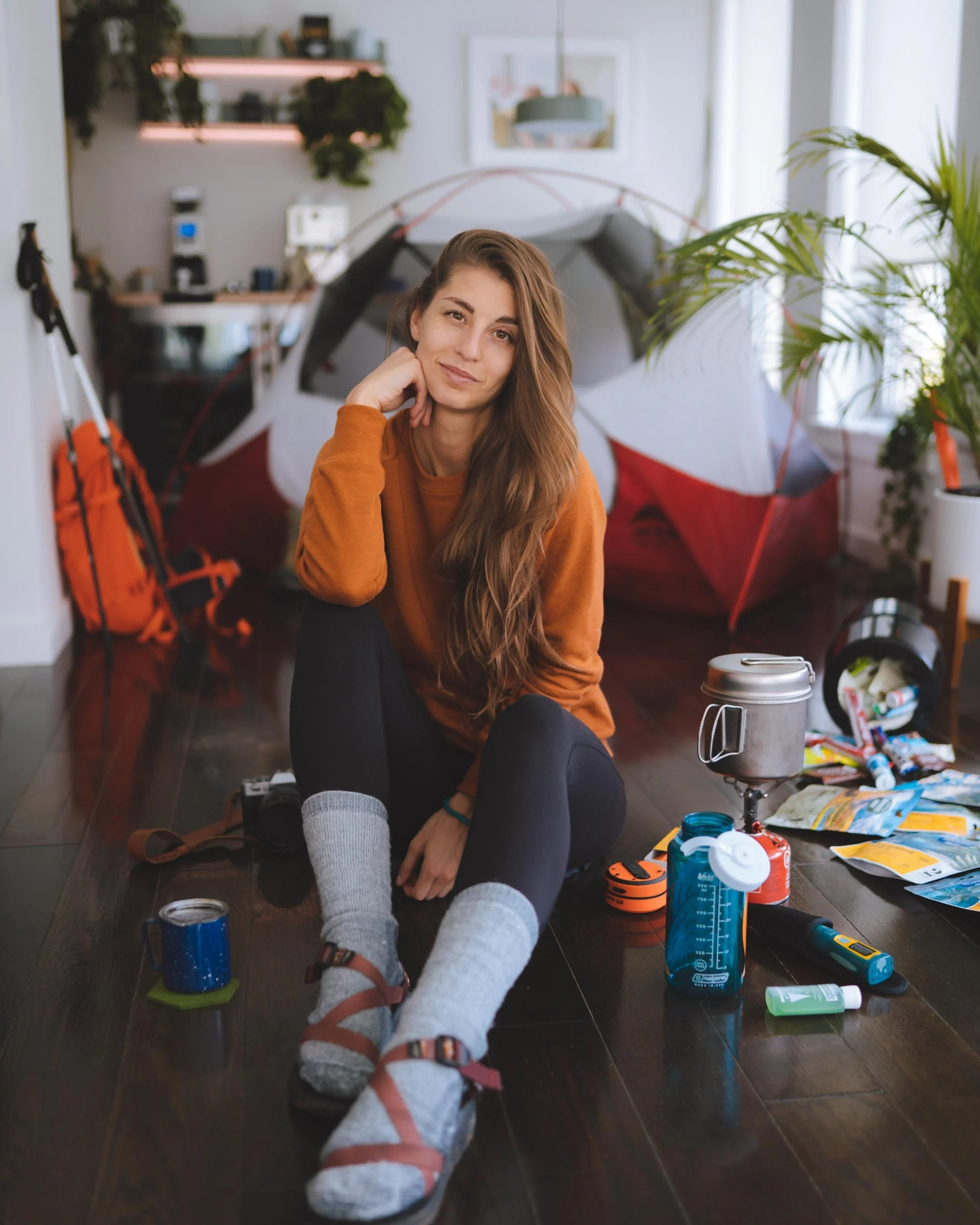
What to pack:
I have two blogs from previous solo backpacking trips you can check them out below. Aside from carrying all of the weight yourself there are a few small packing changes I make when going out solo.
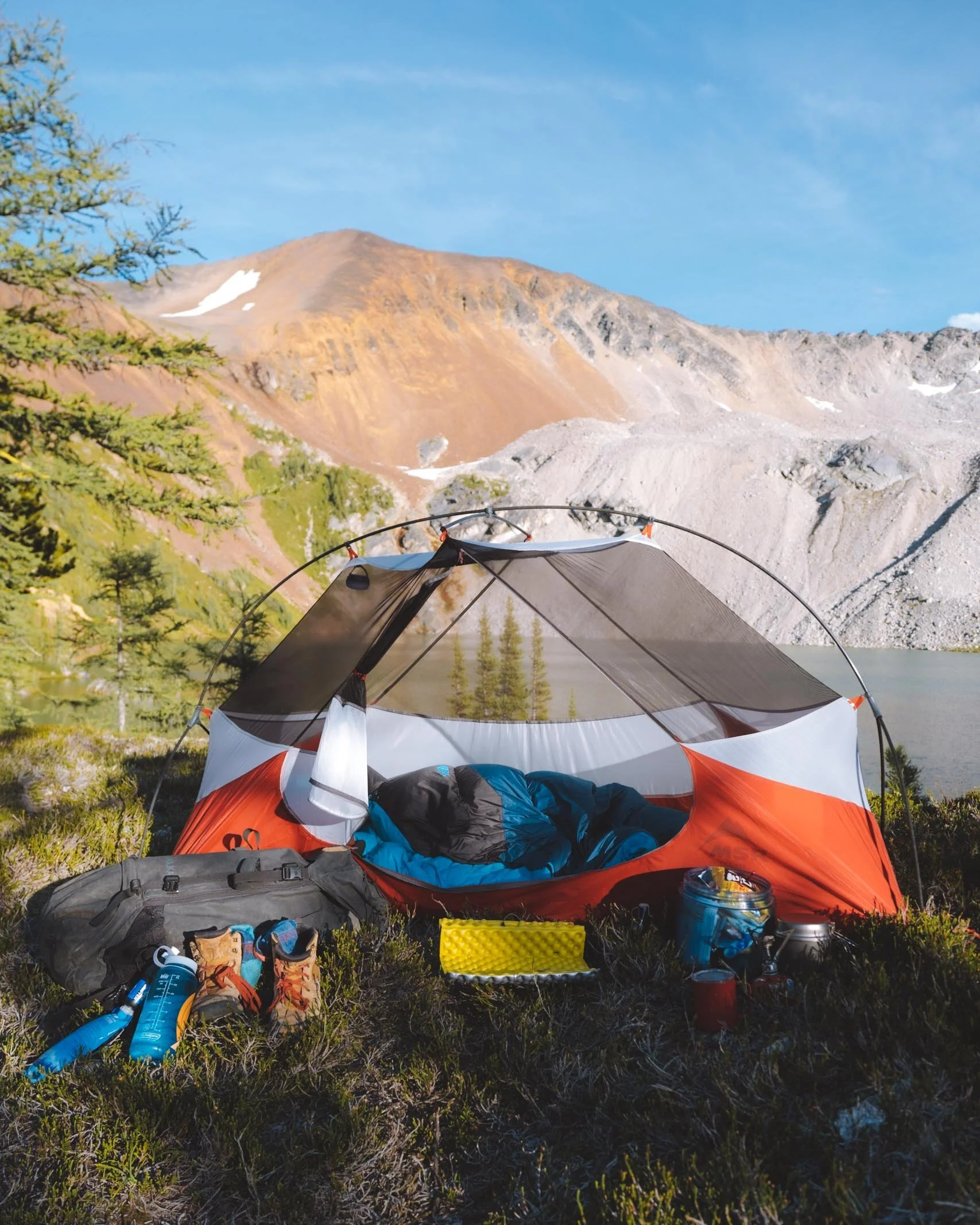
A smaller, lightweight tent
Satellite phone
Garmin inReach Mini - this is what I use
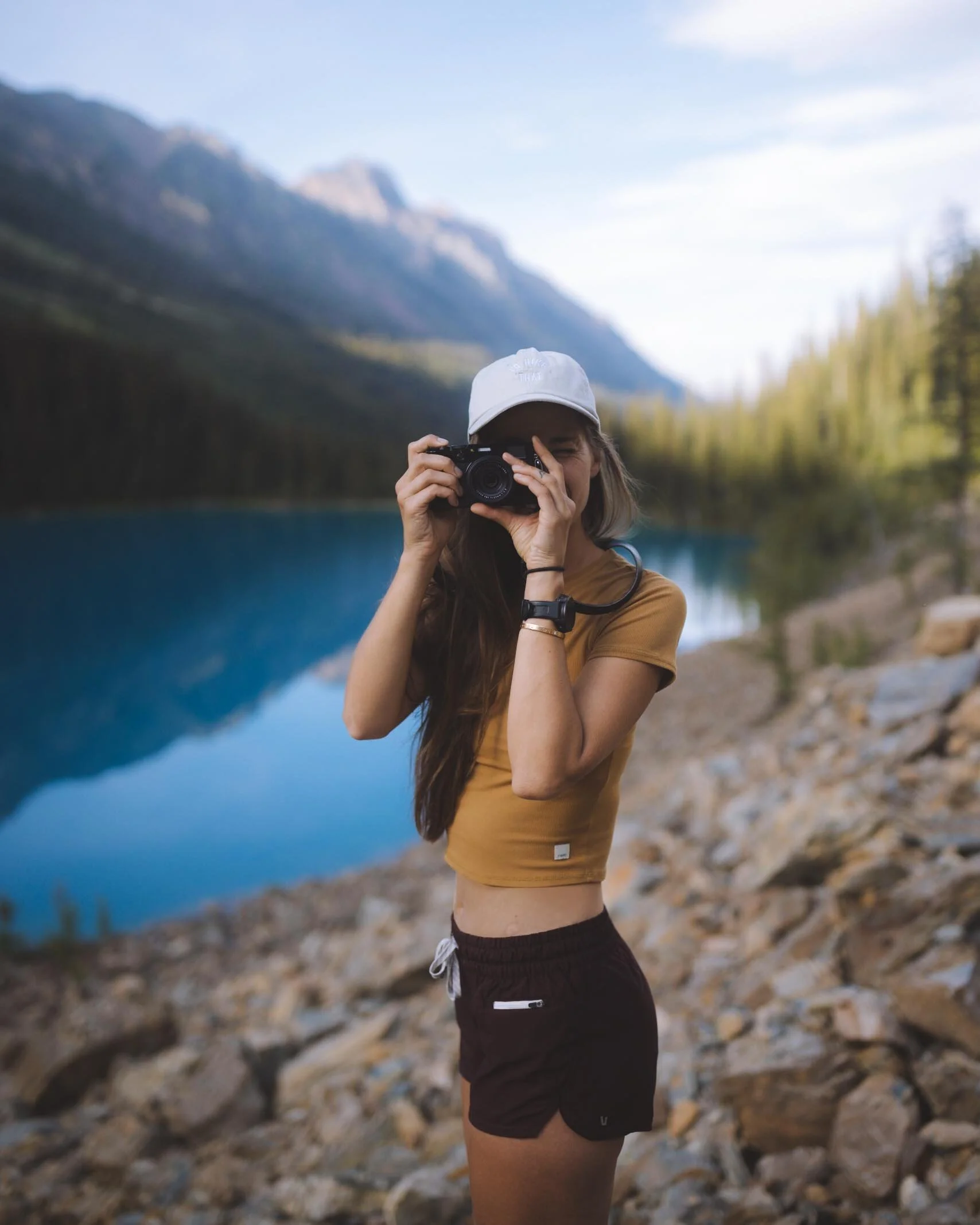
Tripod and Camera gear
Peak Design Carbon Travel Tripod - this also has a holder built in for your phone
Peak Design Capture 3.0 Camera Clip - this allows you to clip your camera to your backpack strap
Entertainment
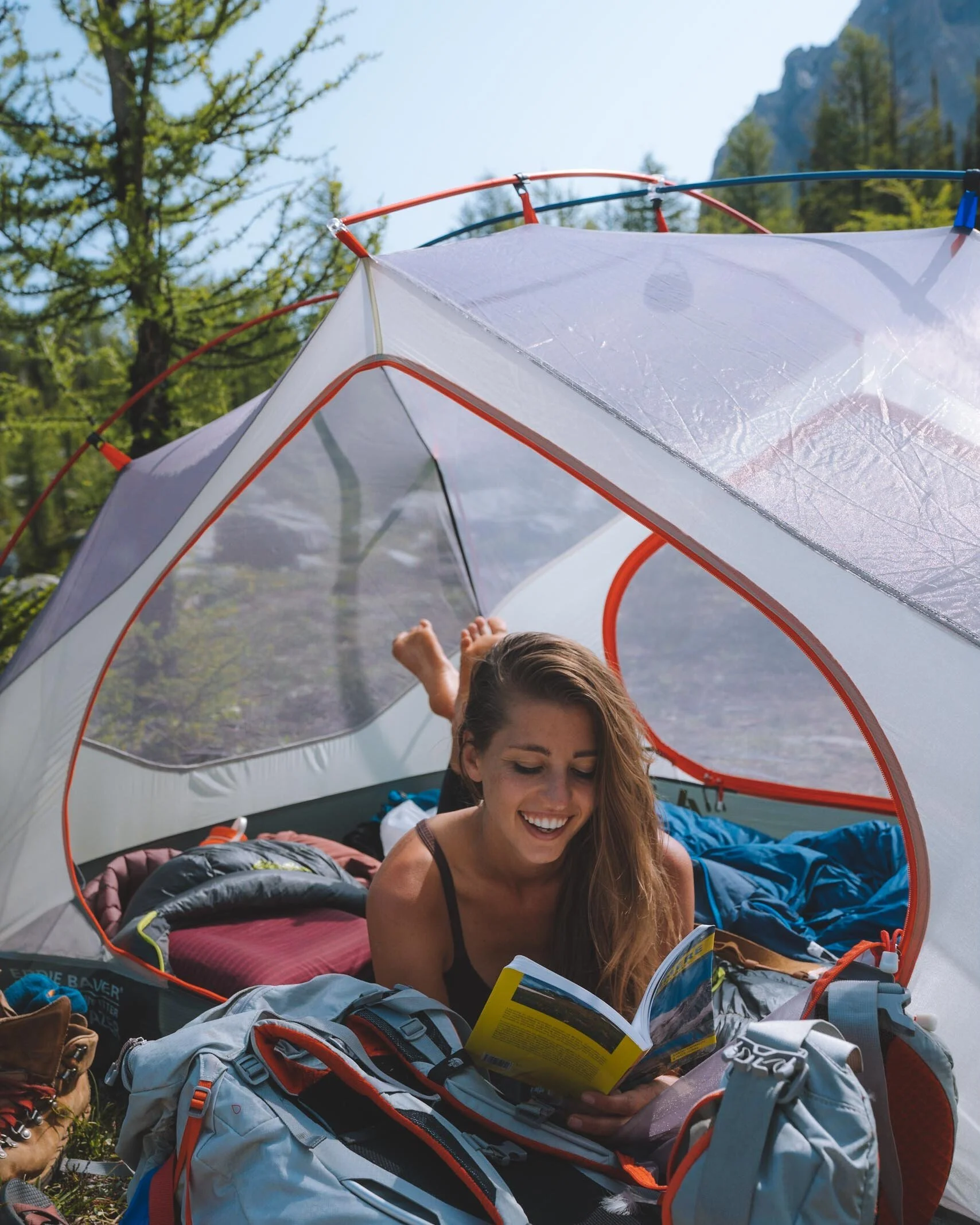
A book (or e-reader)
A podcast
A bomb ass playlist
The ten essentials
You can read my full ten essentials packing list via the button above - these are then items that you should have with you on every single hike or backpacking trip alone or otherwise.
navigation (map, compass, satellite phone)
insulation
repair kit and tools (this one will depend on the gear you bring with you - I typically do not have anything with me on day hikes that would need repairs - but always on backpacking trips)
nutrition
hydration
How to find a trail
In all fairness most of my hiking inspiration comes from perusing the pages of social media. However with the onset of LNT’s Social Media guidelines - I have veered away from posting specific locations on my platform. Not as an act of gatekeeping or elitism, but a little bit twofold.
I grew up with Moraine Lake as a relatively quiet location that my family and I could spend the day enjoying - and with the onset of social media there isn’t even a chance to get parking without showing up at 2am. Social media changes a lot of places and not always for the better.
Most of the places I hike these days are really great and a little bit more remote and therefore not very busy. And if someone has the desire to go to the lengths that I did to find them, they deserve to have that same experience.
I did, however, write a blog with a dozen free or extremely inexpensive ways to find super cool places to hike with low to moderate effort. And I think it is a great place to start.
Leave No Trace principals
These are the fundamental principals that guide all outdoors people. They are what I revert back to when I am unsure of what to do when faced with a decision and as you go through them they will feel very intuitive. I included a link to the LNT website which dives deeper into the seven principals.
Plan Ahead & Prepare
Travel & Camp on Durable Surfaces
Dispose of Waste Properly
Leave What You Find
Minimize Campfire Impacts
Respect Wildlife
Be Considerate of Others
Trail etiquette
Trail etiquette is an important part of getting outside, especially in more remote areas. Most of these tips are pulled directly from the National Park Service:
Know your right of way. Check signage for the trail you are hiking, and follow the correct right of way yields. Signs may vary from park to park, but generally speaking it should make sense - whoever has the easiest way of stopping or moving out of the way should,
Hikers coming uphill have the right of way. If you’re descending the trail, step aside and give space to the people climbing up. (I actually disagree with this personally, I will generally give downhill the right of way because if I am going uphill it means I get a break, and also because if someone falls when going uphill it is generally speaking less consequential)
Solo hikers should yield to larger groups.
Slower hikers should move aside for faster hikers or trail runners
Hikers with dogs should yield to other hikers (or everyone stops and plays with the dog)
Bicyclists yield to hikers and horses or other pack stock. Come to a full stop and step to the side to give the right of way. Be mindful of the plants or animals that are near the trail if you must step off the trail. Bicyclists should always ride within their abilities. Before your visit, check individual park regulations to see if biking is allowed. However : oftentimes in practice it makes sense for hikers to yield to mountain bikers because the tread on a mountain bike stopping is far more damaging to the trail than a hiking boot stopping. Also, because they are going fast and may not see you or be able to safely stop in time. Although you may be *technically* in the right, you may also be out a season with an injury from a collision.
Hikers yield to horses and other pack stock. Slowly and calmly step off to the downhill side of a trail. If you approach from behind, calmly announce your presence and intentions. Horses and other pack stock can frighten easily, so avoid sudden movements or loud noises.
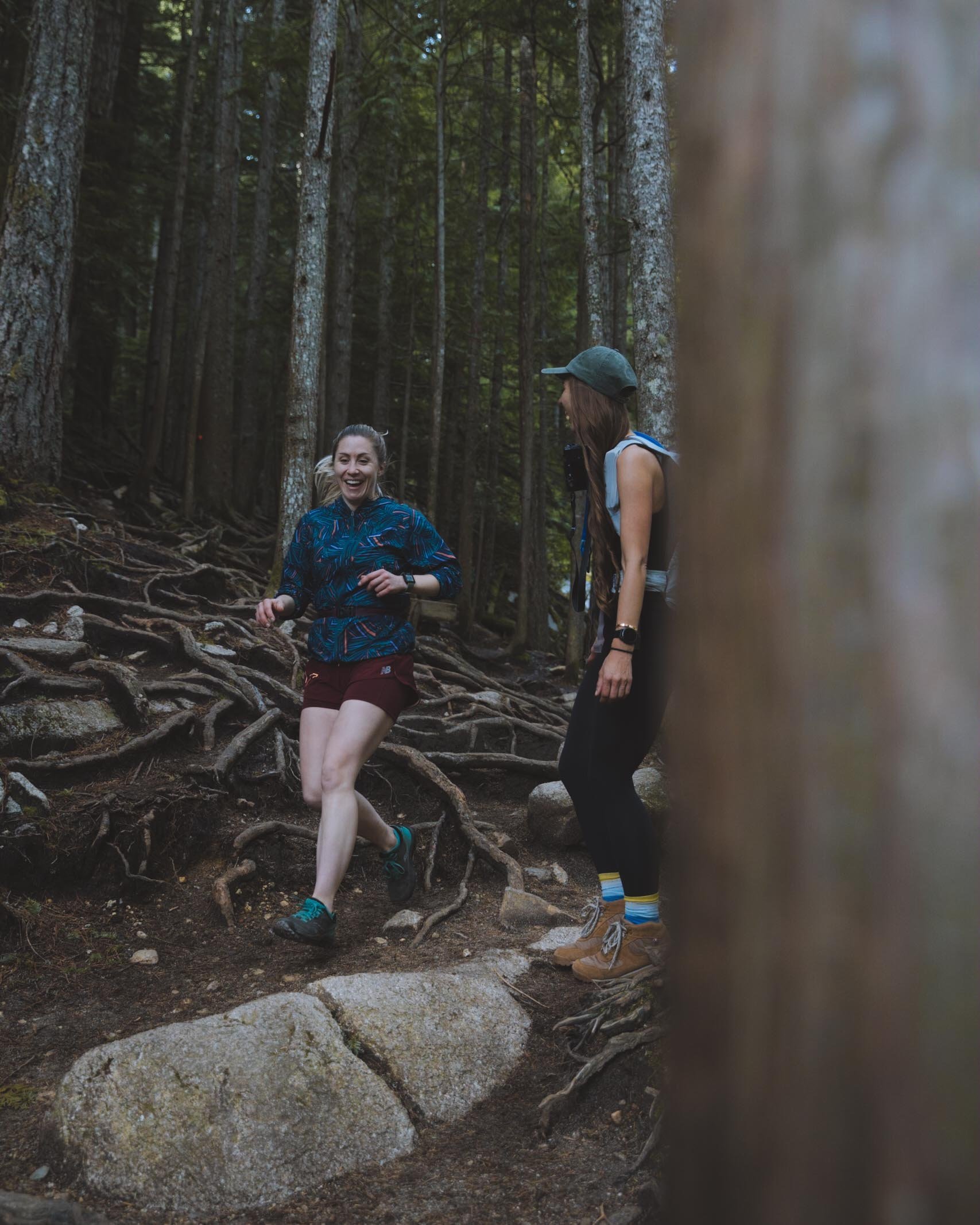
Make yourself known. When you encounter other hikers and trail users, offer a friendly “hello” or a simple head nod. This helps create a friendly atmosphere on the trail. If you approach another trail user from behind, announce yourself in a friendly, calm tone and let him/her know you want to pass.
Stay on the trail. Don’t step off trail unless you absolutely must when yielding. Going off trail can damage or kill certain plant or animal species, and can hurt the ecosystems that surround the trail. Always practice Leave No Trace principles: Leave rocks, vegetation, and artifacts where you find them for others to enjoy.
Do not disturb wildlife. They need their space, and you need yours, too. Keep your distance from the wildlife you encounter. Some parks require you to stay a certain distance from wildlife, so check park regulations before your visit. Never leave the trail to try and get a closer look at an animal because it can hurt the habitat and the animal and put you in danger.
Be mindful of trail conditions. If a trail is too wet and muddy, turn back and save the hike for another day. Using a muddy trail can be dangerous, damage the trail’s condition, and damage the ecosystems that surround the trail.
Take time to listen. When hiking in the great outdoors, let nature do all the talking. Be respectful of both nature and the other users, and do not play music from external speakers. Not only will other visitors appreciate the peace and quiet, but so will the wildlife. Many wildlife species rely on natural sounds for communication purposes, and disrupting those sounds can hurt their chances of survival.
Be aware of your surroundings. Always be aware of your surroundings when hiking in our national parks. It will help keep you and any members of your group safe, and it will help keep wildlife and their habitats safe and healthy. Know the rules for hiking in bear country, and know what to do if you encounter a bear on the trail.
Use the facilities on-site at the trailhead. Most popular trails will have pit toilets at the trailhead. I like to pretend I am my mother and ask everyone in my group to try to go before we start hiking. I also recommend bringing your own TP and hand sanitizer as it is not always available. However, hikes can be long and when moving and drinking water - holding it isn’t always an option. I wrote a full guide to doing your business in the outdoors.
*Please note that some of the links above are affiliate links, and I may earn a small commission on any purchase made - at no additional cost to you. As always, all ideas and opinions expressed in this post are entirely my own. Thank you for your support!