How to find somewhere to hike : 12 free or extremely inexpensive ways to find hiking trails

I once posted a story on Instagram, perhaps my most replied to story ever, explicitly stating the reason that I do not personally geotag specific locations on social media. I have a small set of rules that I follow that summed up are “if there is a parking lot, I can tell people where it is” - outside of that I am fine receiving pushback for allegedly gatekeeping locations or being selfish. I understand the innate privilege that I have in being born (oftentimes too) curious.It is what drives me to find new and interesting places to see, it is the reason that instead of going out for drinks with a friend or watching a movie with my partner I can more often than not be found scouring old guidebooks and the depths of google earth and Pinterest blogs to find places I have never been before. However, after a rather condescending Andrea rolled her eyes at her partner a few weeks ago for not innately knowing if land belonged to the Bureau of Land Management or the National Forest… I realized that it might just be time to share my tools.
And so, in the least biblical way I can present to you, my lesson in fishing (I really hope someone gets that reference).
A dozen free or extremely inexpensive ways to find cool places to hike:
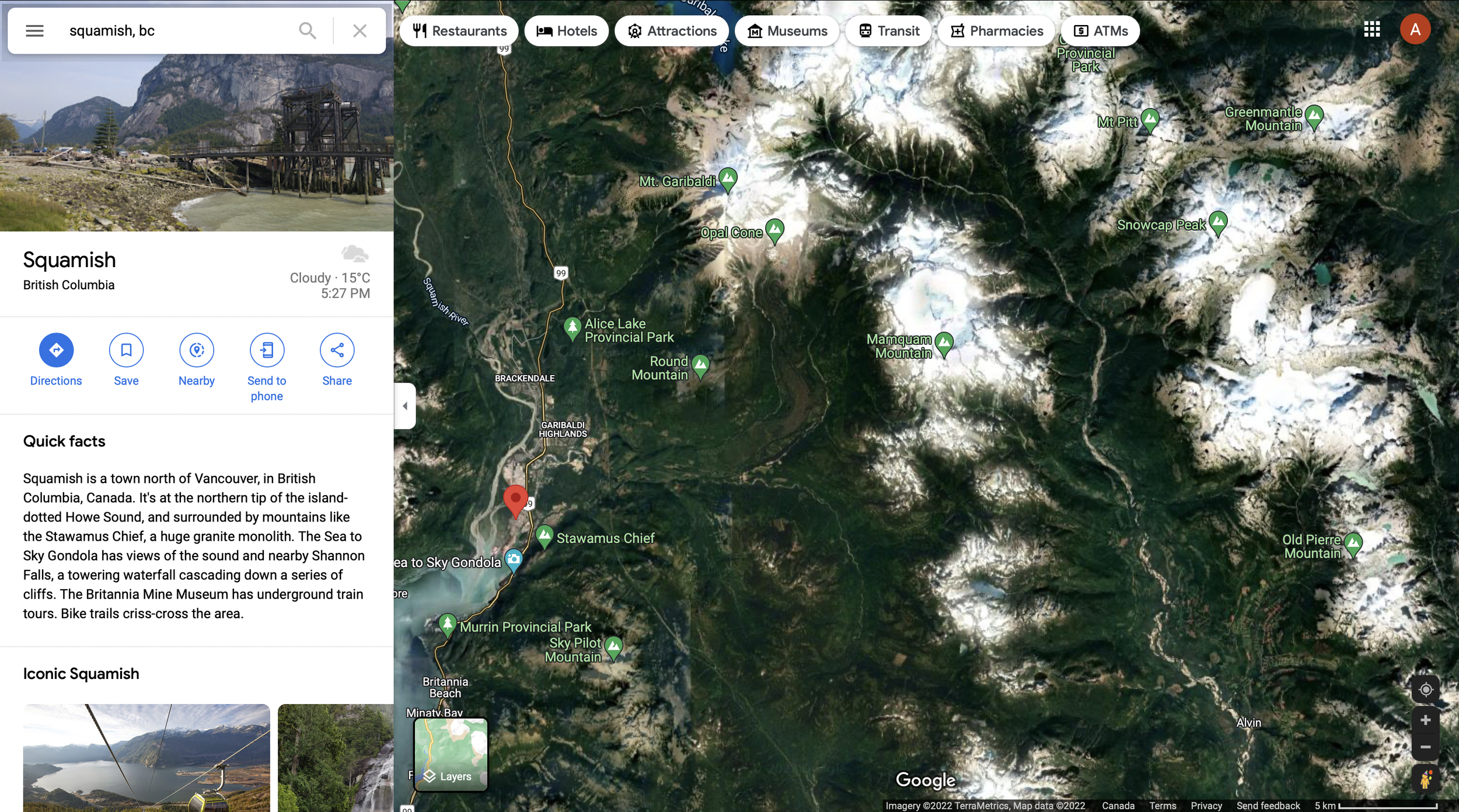
Note: For the sake of consistency in this blog I am using Squamish, British Columbia as my example. You can replace this with anywhere you are looking to hike.

Google Searches
This seems obvious but I do feel the need to mention it. If you see a really vague geotag on social media or you have an idea of the general area a hike may be in. Just pop it into google. This is what I do before any trip. I search google to see what it comes up with and also will have a look at the google image page. Sometimes I will find a photo that looks really interesting and it will springboard me into finding something I may otherwise not have.

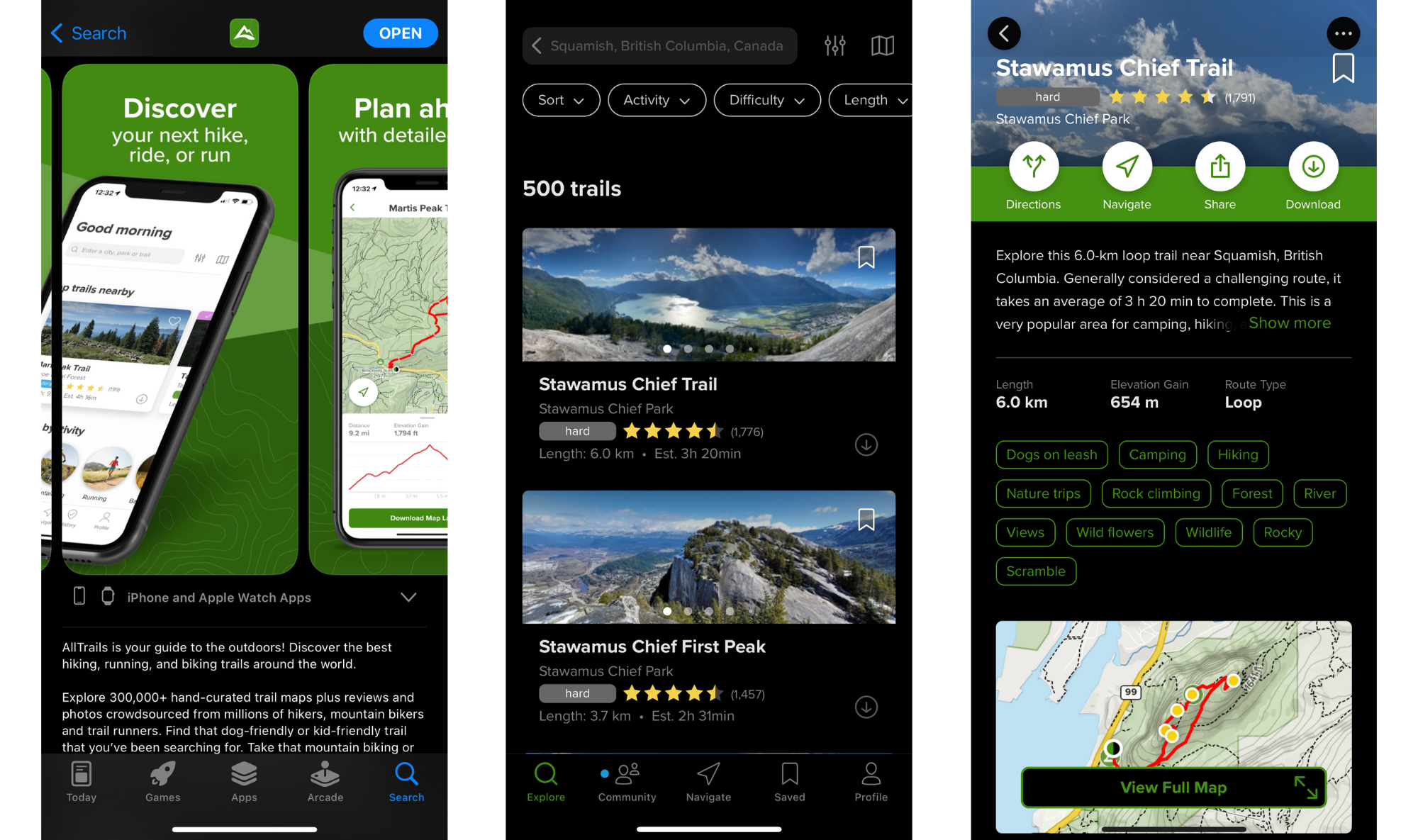
All Trails (app or website)
A really great resource dedicated solely to connecting hikers with hikes. Providing an idea of distance, elevation, trail conditions and images. However, as this is all oder generated information I would never rely on AllTrails as your sole source of information for a hike.
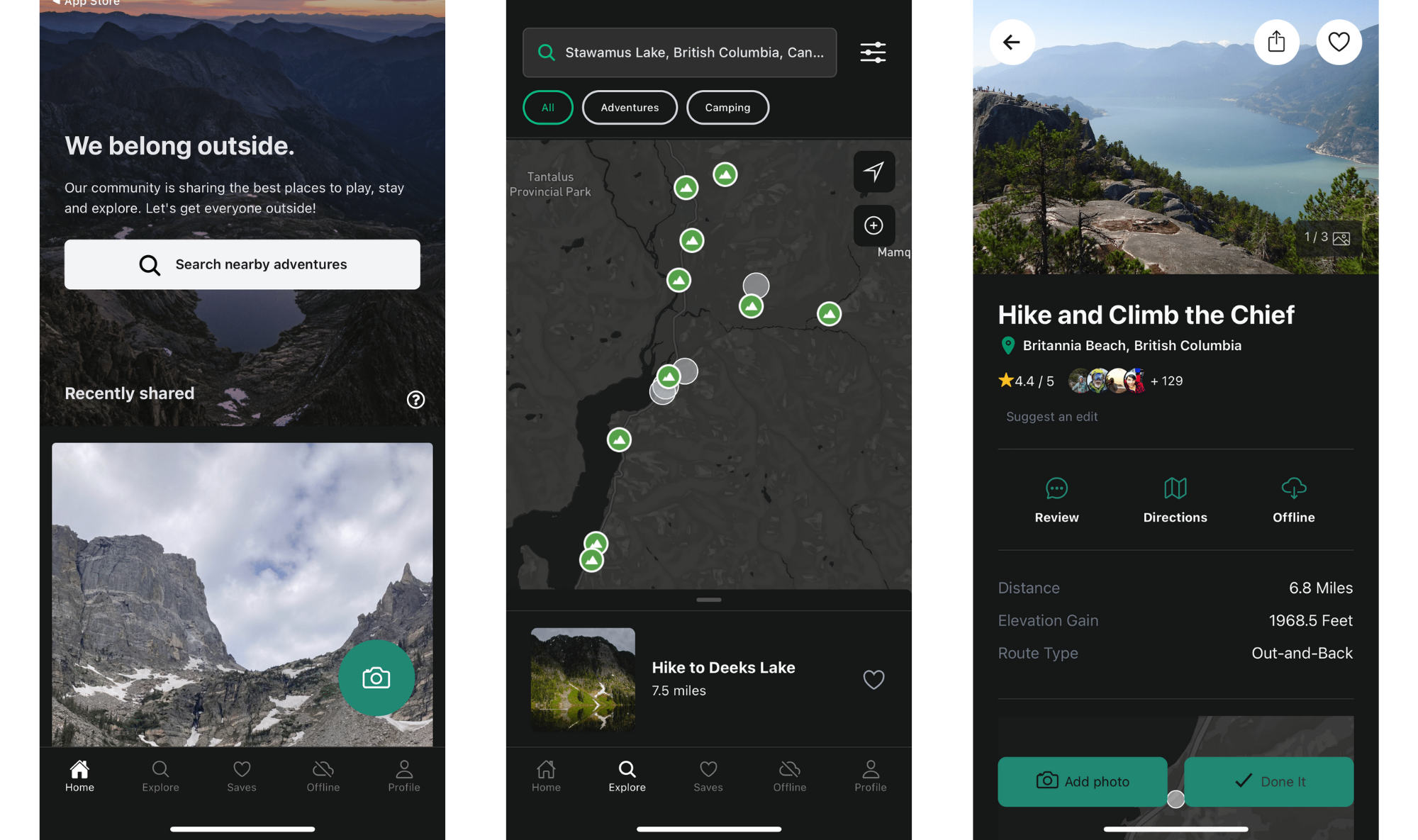
Outbound (app or website)
Very similar to AllTrails, a really great website with user generated trip guides. This is in more of a story format with one person’s in-detail experience with a hike.
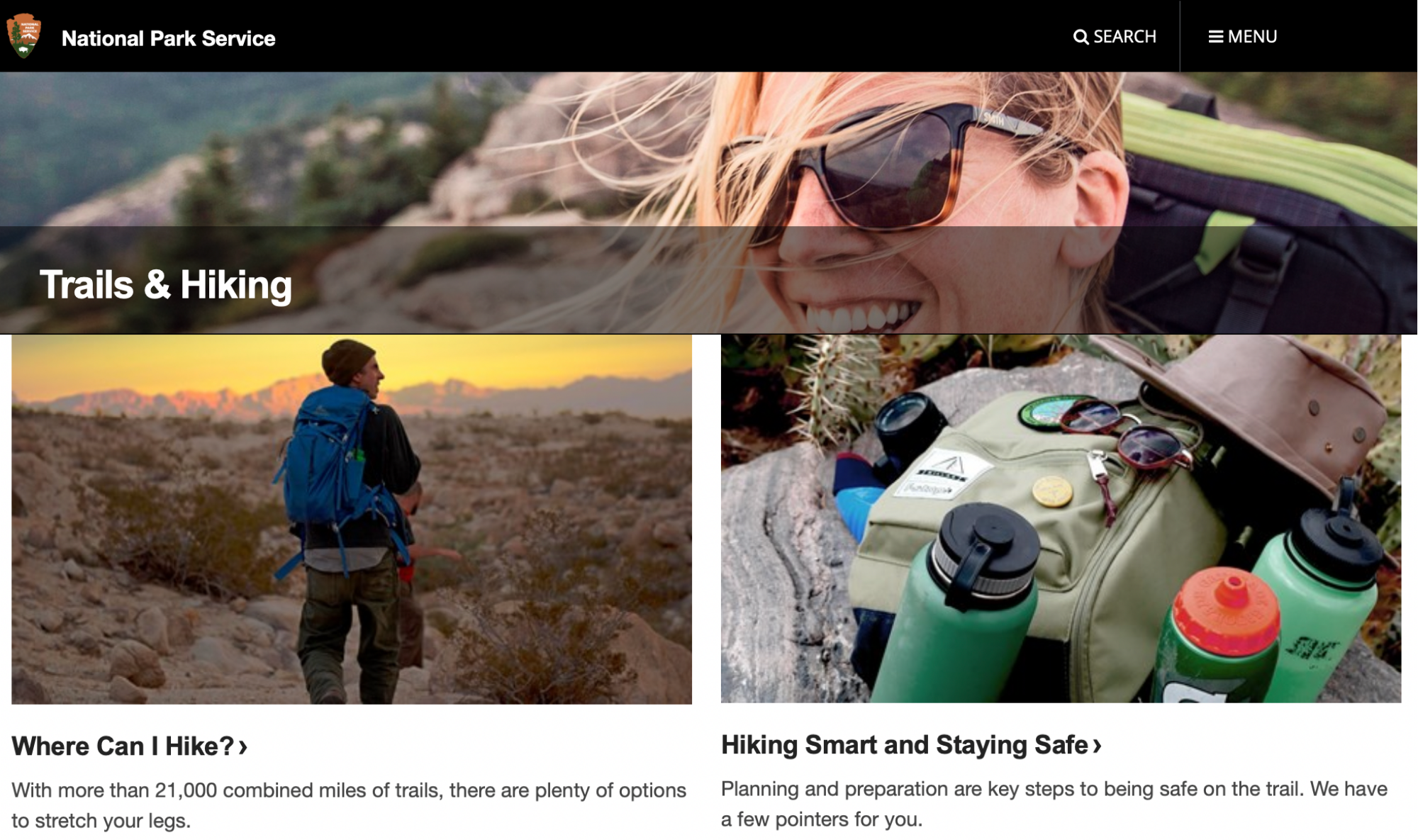
National Park Website and app
Most National, Provincial and State parks will have a list of recommended hikes with up to date information and include information such as closures due to wildlife, seasonal closures and construction.
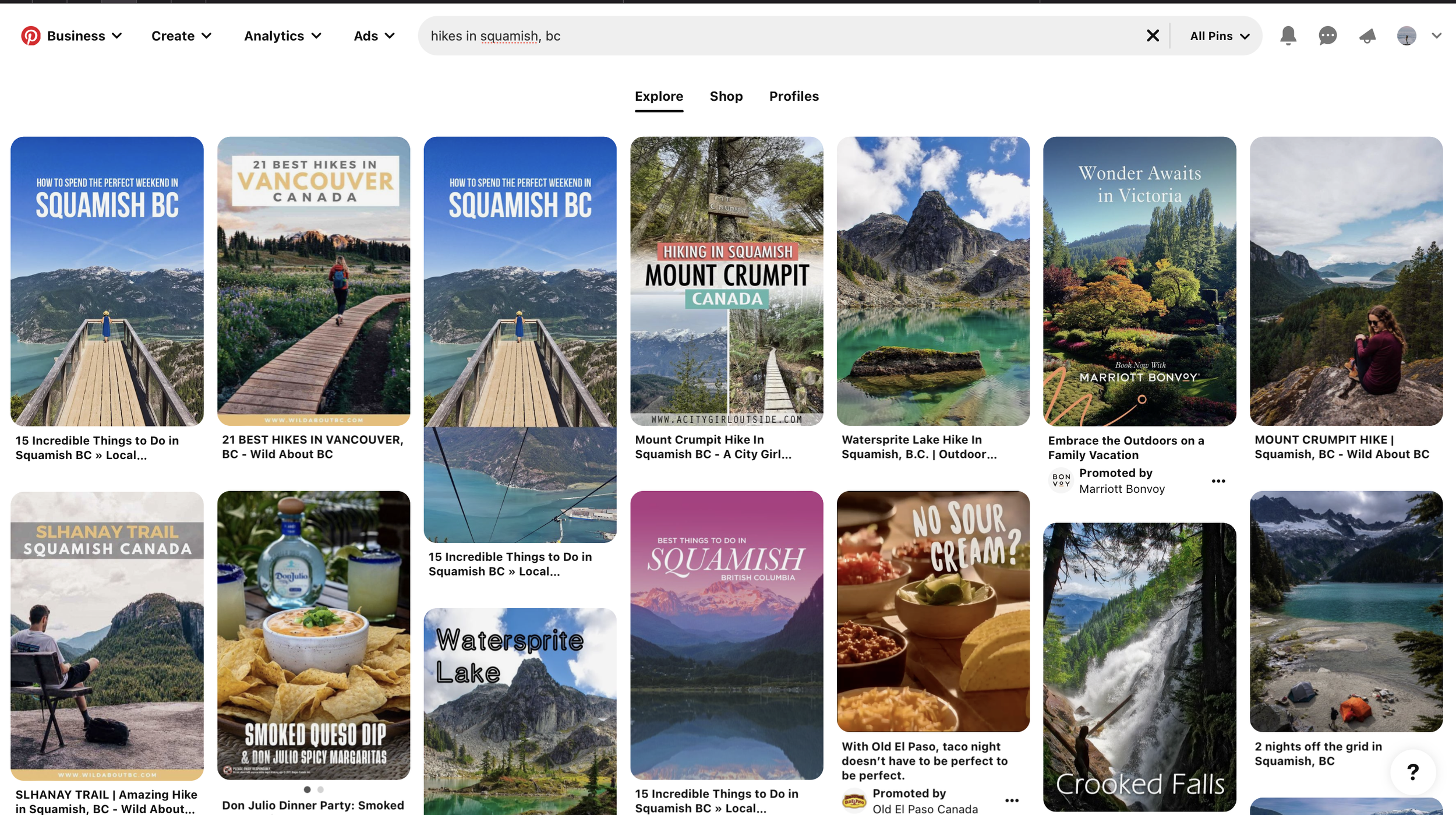
Travel Blogs, Pinterest, Online guides
You found this blog so this should likely feel like a no-brainer but Pinterest is where I typically turn even before doing a google search bore I head out on a trip. With an affinity toward taking great images travel blogs are perfect for location scouting and Pinterest is effectively a search engine for these online blogs and guides.
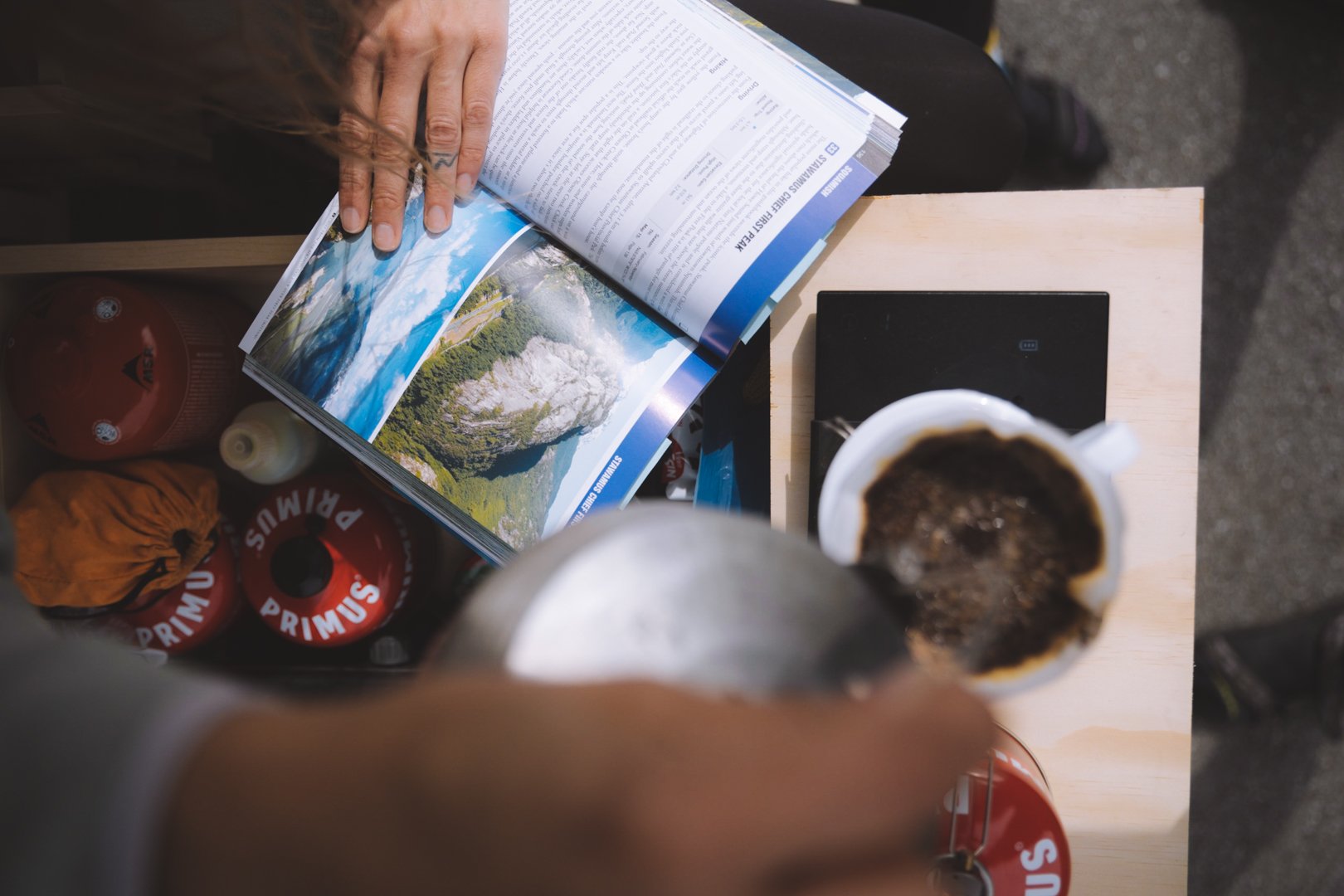
Physical guidebooks (you can find them here at REI, online, at book stores etc…)
One of the most reliable sources of information. A large number of my most asked about locations are not found online anywhere. They are from the pages of old hiking books - any time that I go to a new town I know I will be hiking in/around for a little while I will stop into the nearest outdoor shop, visitor center or book store and peruse their hiking section. If a hike looks really interesting I will try to find more information online. But there are a lot of hidden gems that can not be found online.
Ranger stations (you can also phone them)
Much like the websites - the rangers will have the most up to date trail and condition information and be able to help you find a hike or backpacking trip that suits your needs. I have, more than once, phoned and described a vantage point and they have helped me find the hike. Rangers and Wardens (in the Canadian National Parks) can also help with permitting processes, ensure you have everything you need and, if you take the time to listen, will often give you some inside intel on really spectacular locations within their parks. They spend more time there than anyone and likely know things nobody else does. It is their job to keep you safe and having fun in the parks.
Call your parents, aunts and uncles, talk to people on hikes or at campgrounds
One of my favourite ways to find interesting places to hike (also how I found out about the Haute Route) is just by talking to people. The next time you are our camping and an older (the older the better) group of friends or couple sits down around the fire with you - start swapping stories. Think about the decades more time they have had out hiking and the things they have seen. Most people love to share their stories and have a younger generation enjoy the things they have seen. Just listen. And reach out to your extended circle, if your family does not hike but your parents have a. friend who does, ask them the next time they are over for dinner - or as your parents to set up a coffee for you. Hiking and storytelling go hand in hand. Just invest the time to listen.
Visitor centres, education centers, Local information centers/kiosks
Similar to ranger stations, these are all institutions that promote tourism and education in any given location. When you are in town re-fueling your car and grabbing a cup of coffee swing by the information/visitor center and have a. look around. The staff are typically local to the area - show a genuine interest and understanding of Leave No Trace principals as a sign that you care about the area. Have a conversation of what you are looking to experience and your skill level and time availability and see what they come up with.
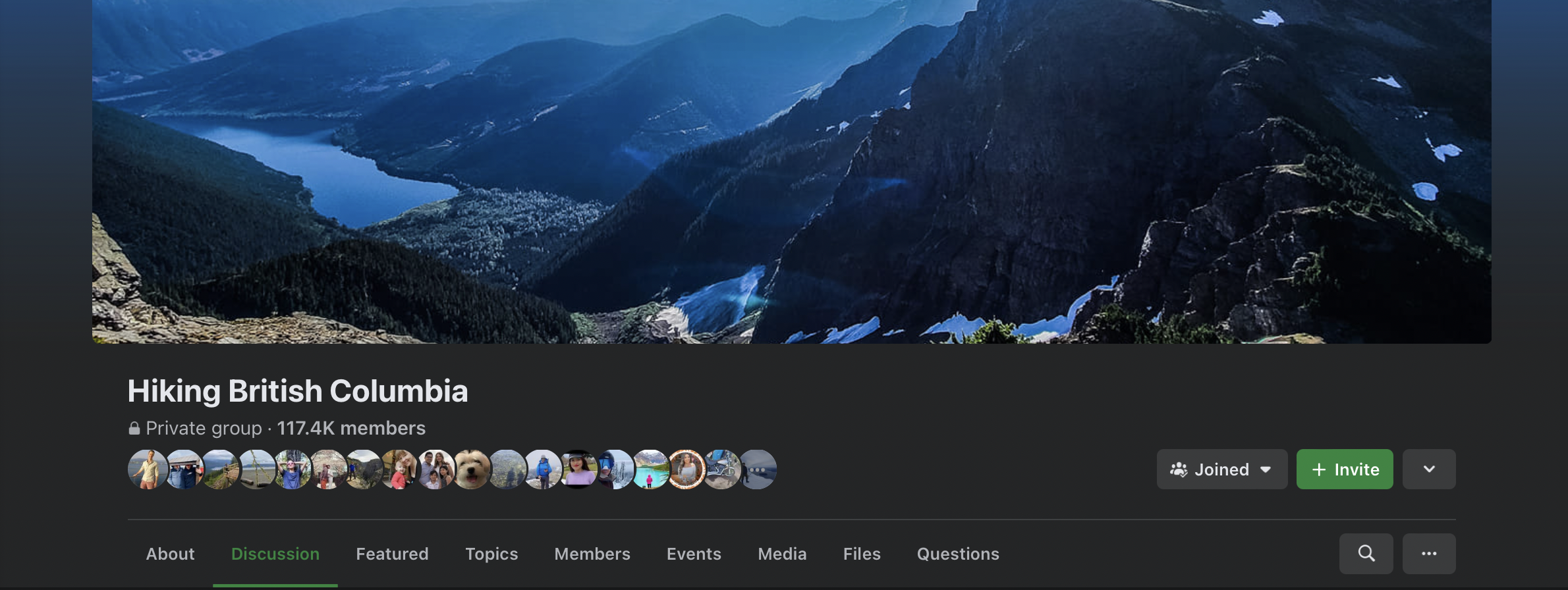
Local Facebook groups
Go on Facebook and search “Hikes in (insert location)” and a handful of different groups will pop up. Some you will need approval to join - but once you are in people are always posting photos of hikes they have done (with images) and inviting people to join them on upcoming hikes and backpacking trips.
Google Maps/Earth
This is how I find most of the places that I have been hiking in recent years, especially for beautiful alpine lakes, I will pull up an area and zoom in on anything that looks teal. Sometimes it will pop up with a name and therein I head right back to the top of this list and begin my google searching and scouring of guidebooks and blogs. It is a little bit of a toss up if it is actually accessible without mountaineering equipment but therein lies the fun!
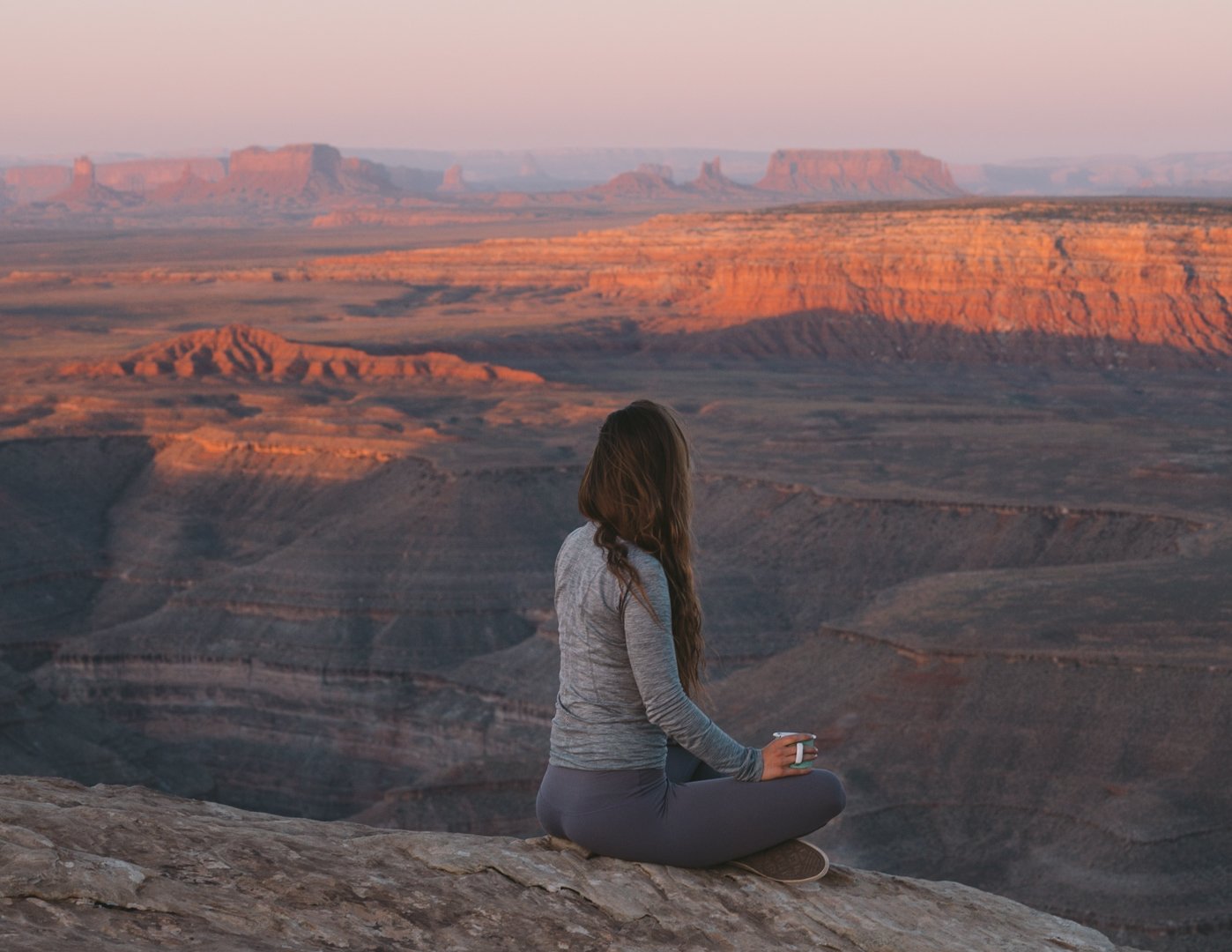
Drive down dirt roads, wander down unknown trails, explore.
The most time inefficient item on the list. Mostly applicable to people without 9-5 jobs and also in possession of a high clearance 4WD vehicle. But for the sake of wanting this to be the most robust resource - I feel the need to include it. I like to download offline maps on apps such as Maps.me and MapOut - and after cross referencing with google maps or dropping pins on things thats may look interesting… just take a drive. Sometimes it ends with impassable roads and dead ends or private property turn around. But every so often you will find magic. Again - this option is not for the vast majority of people.
Bonus: one more expensive
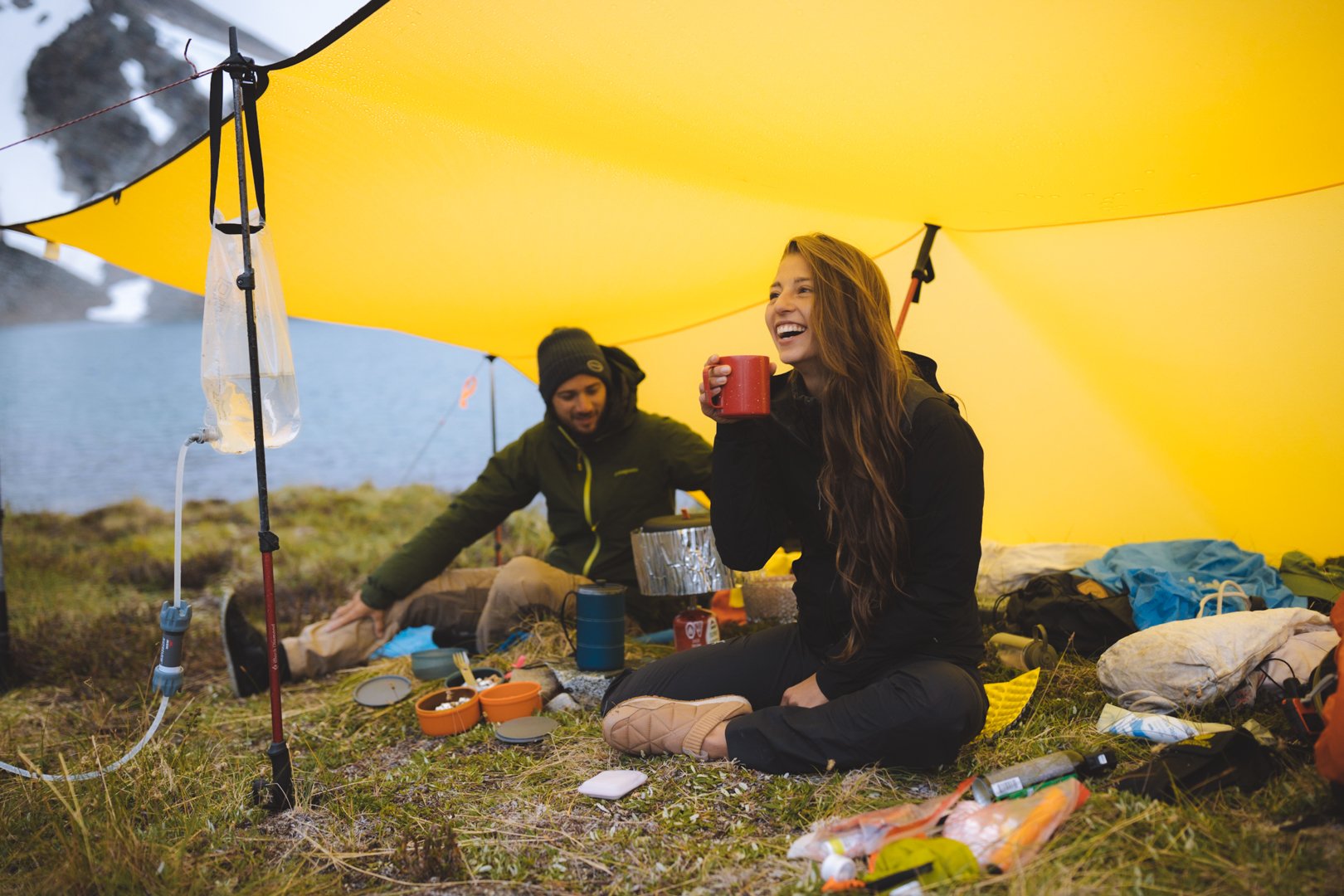
Hire a guide
Although definitely not the most financially inexpensive way to find new locations , especially when first getting into the outdoors, hiring a guiding company or joining a guided trip can be an amazing (and safe) way to see new places. In summer 2021 Mike and I hired a guide to take us into a remote area of the Yukon - our guide was an ACMG certified hiking guide and not only was familiar with the area but was better able to navigate the terrain and take us to some really beautiful places we would have not otherwise ever seen. As a solo person, when venturing into an area you have never been before or to a country with a language barrier I think that if you have the financial means this is a great way to find new locations - and talk to the guides, pick their brains about everything - they will be more than happy to share all of their beta with you - it is literally what you are hiring them for.
And if the options for guiding companies seems overwhelming, my friends at REI Experiences are a great place to start.

This was me trying to negotiate what was safe vs what was possible with our guide in the Yukon. Can you guess which side I was pushing for?
*Please note that some of the links above are affiliate links, and I may earn a small commission on any purchase made - at no additional cost to you. As always, all ideas and opinions expressed in this post are entirely my own. Thank you for your support!