How to Not Die in the Mountains
Alternate title: five things I gained from my beginners mountaineering course (BMC) and why you might want to take one too.
In early 2021 I sat in a blue chair in a windowed condo corner perusing the REI mountaineering gear page, adding items to my cart - watching the value grow with each button click. When I cross referenced my cart with the list of gear a friend provided for me and the line items matched up - I checked out.
All of gear I purchased then sat in my closet, in a box I labeled “big dreams” for over a year. Untouched.
I had been hiking and scrambling and backpacking and trail running the mountains for nearly a decade at this point - five years as my full time profession. There is an old climbing saying that we all have two buckets, one filled with skill and one filled with luck. I had long since outgrown my skills and was beginning to dip a little too heavily into my luck bucket. I was tiptoeing across glaciers and free climbing a little bit too high above my grade.
It was not until I was invited to Switzerland on a tourism trip - to set a world record in mountaineering - that I first pulled my crampons out of their box and attached them to my boots (I hate to admit that I had to watch a YouTube tutorial the morning before my flight took off to see how to do this). Embarrassing to admit, I stood atop a 4,000m peak in the Swiss Alps with a newly held world record realizing that I was one of the many women who had no place being atop the mountain. I was unskilled and unprepared. I returned to Canada and immediately found an introduction to mountaineering course.
Five reasons to take an introduction to mountaineering course:

1. A new challenge
When you start to get comfortable with things that used to challenge you, it’s time to find a new challenge.
This felt like opening a whole new world of opportunity for me. I find most of my hikes by perusing the pages of old guide books and scouring google earth (you can learn more about that here). With nearly a thousand nights spent in a tent at this point, I realized that most of the things that were still on my bucket list had one thing in common; one reason they were not yet accomplished. A big scary glacier stood between me and my objective. And although the thought of taking a helicopter in was *very* tempting… my finances and environmental moral compass decided that this was also not feasible. Instead I would have to learn the skills to navigate glaciers. For me, the rock climbing portion was more of a bonus than a necessity until I realized just how deep I had been digging into my luck bucket and how many times basic rock climbing and rope skills would come into play.

2. How to (properly) use my gear - and what gear I need
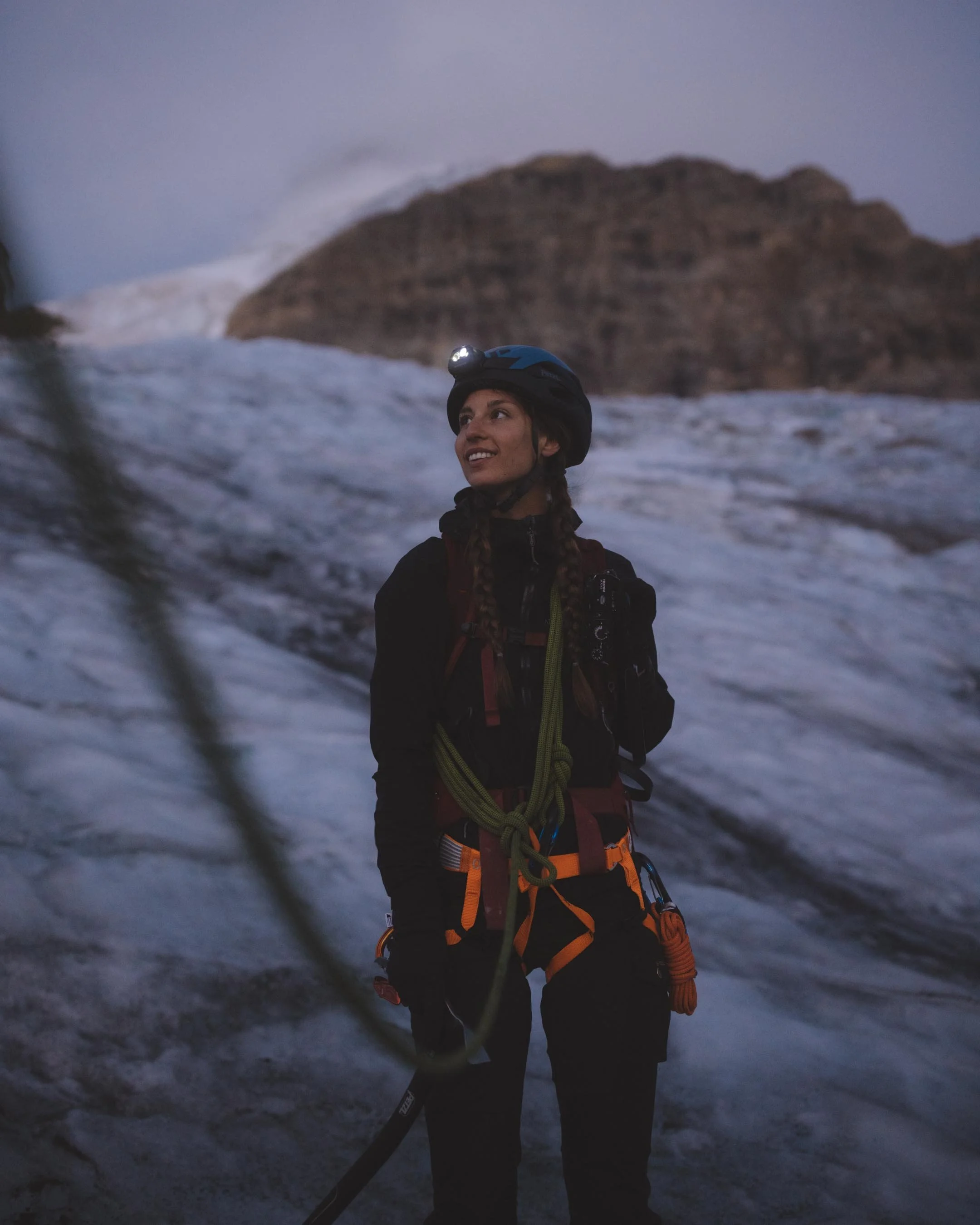
My initial gear list came from a friend in the mountaineering world - one who had invited me out on climbs many times over the years. And as I mentioned, after purchasing all the equipment, it sat in the bottom of my gear closet for over a year. I had the physical tools but no idea what to do with them. Not only did I learn how to *properly* put my crampons on - I learned a dozen different knots, how to vertically hoist myself out of a canyon and how to use leverage to get someone twice my weight out of a glacial crevasse. I also added a few pieces to the list, and asked far too many questions about ropes and pulls than I ever thought I could think of. This was the best part, for me, about taking a course is being able to ask as many questions as I could think of knowing that an expert is being paid to answer every last one.

3. Glacier crossing, rock climbing, ice climbing and mountaineering safety
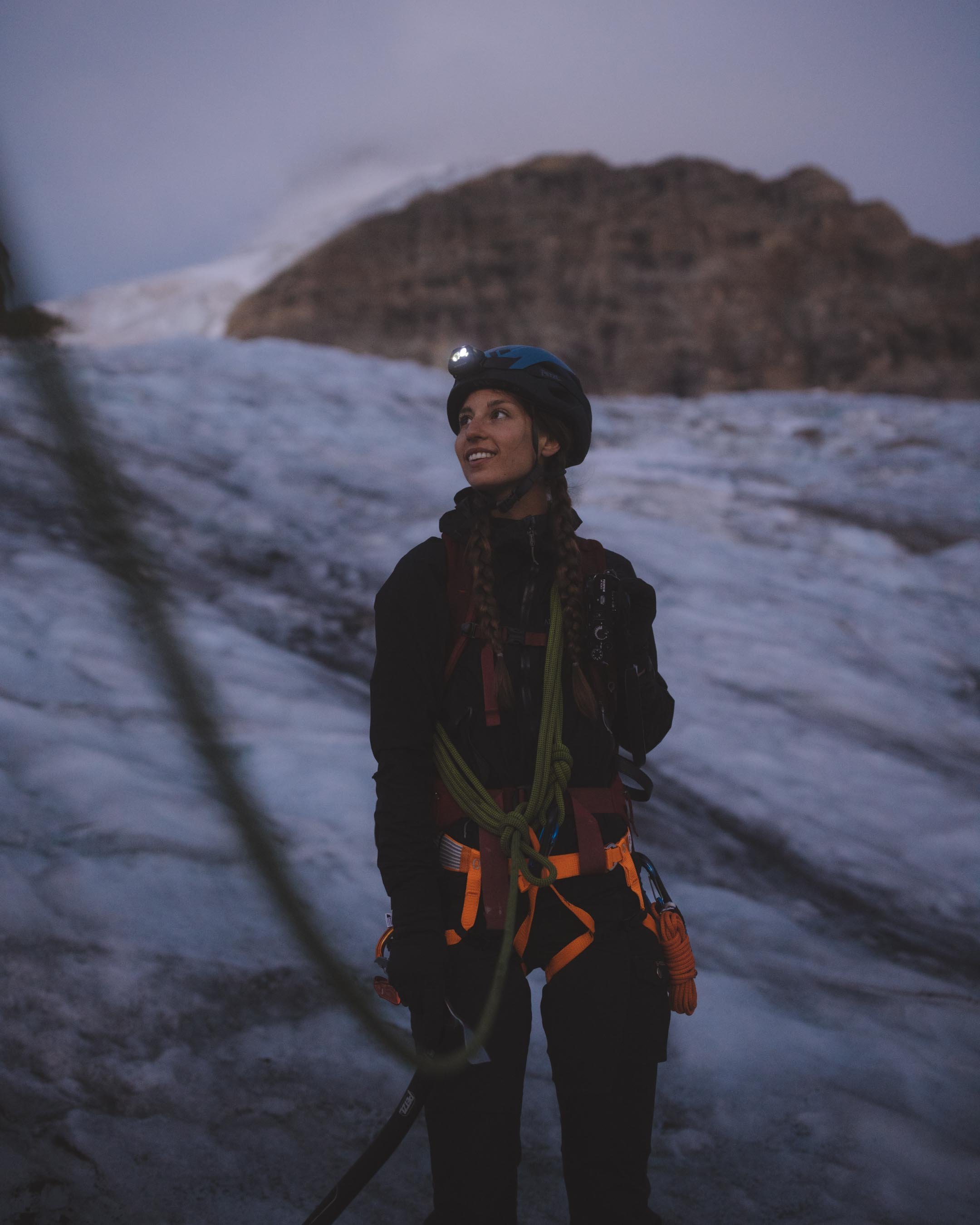
This is the bulk of the course and what it is advertised for - a crash course into more complex alpine travel. The six day course is broken up into two 3-day sections: ice and rock. In each of these sections the first day is spent learning basic skills such as knot tying, basic belay and rappel skills, how to self arrest and how to rescue someone who has fallen into a glacier. The second day is putting those skills to use in a more controlled environment and slowly adding on layers of complexity. The final of the three days in each section is an ascent day. For the ice section you summit a mountain with a glacial traverse and on the rock day you will have a mountaineering objective that is rock-climbing intensive. Learn the skills, practise the skills, put the skills to use in a real life environment.

4. A deeper understanding of your current skills and how to improve them
Mike and I had been spending our summers in the mountains together at this point for nearly three years. However, during the winter, Mike was in the climbing gym five days a week. And I was running, cycling and avoiding winter by heading south. The difference in our skillsets was very apparent when we were on the course. The climbing sections were far easier for Mike to pick up and his confidence surrounding exposure was significantly higher than mine. Whereas I lacked upper body strength and have long had a fear of heights - I made up for these shortcomings with a higher endurance level and I picked up and retained safety sequences and rope work much more easily.
It is good to be aware of these strengths and weaknesses - we learned that Mike will always lead climb and I will always do our safety checks. But also that I should *maybe* spend a little bit of time over the winters in the climbing gym honing in on these skills and gaining upper body strength. It was great to have someone objectively point these things out.
5. Risk Mitigation in the Mountains
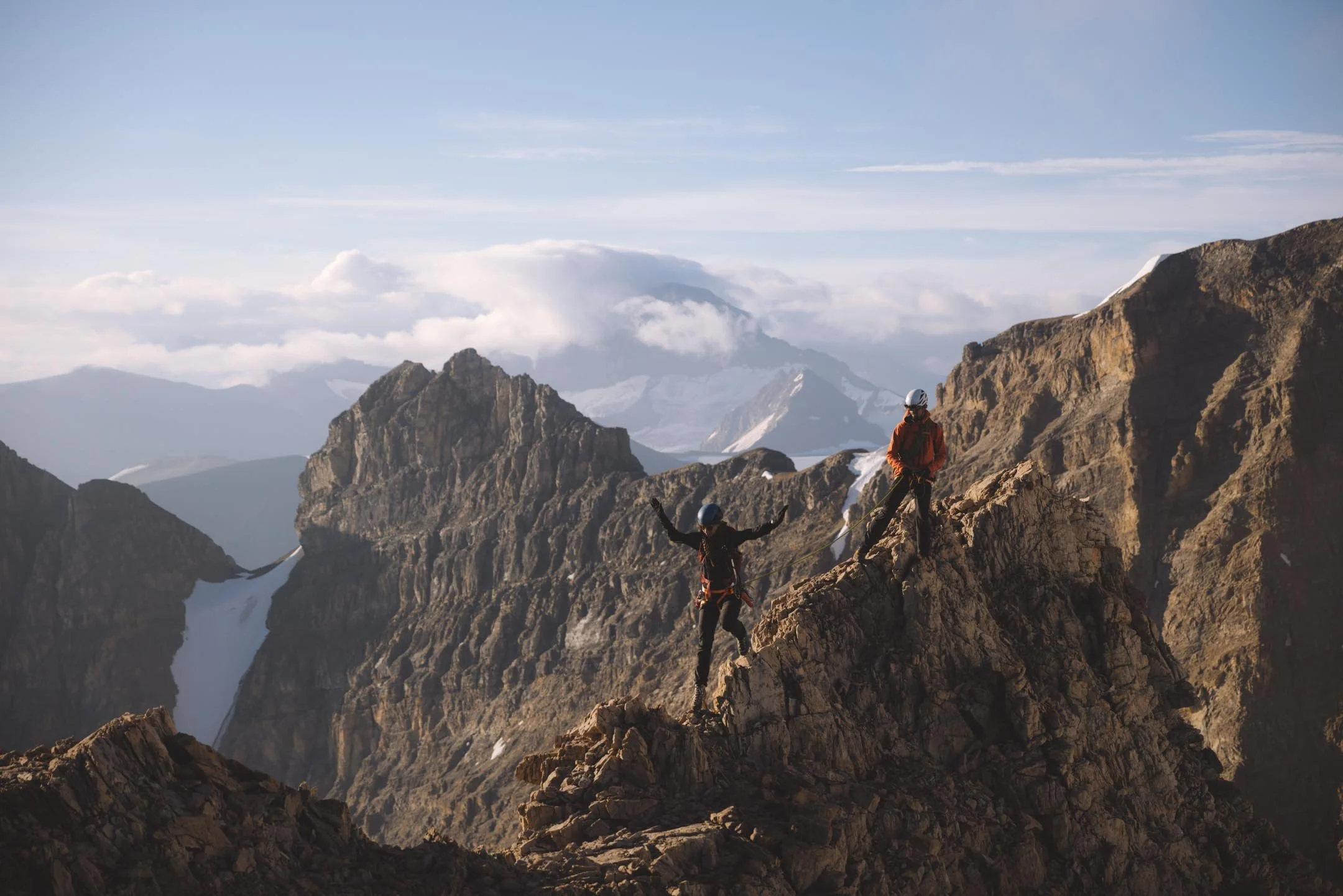
Our final day was planned out as our big ascent day. Unfortunately after a night of rain, the ice filled gully we were supposed to climb up was unstable and bowling ball sized rocks were constantly falling down the exact path that we would need to climb up. The three of us stood in the dark watching rocks fall and had to make the call not to cross the bergschrund and head up our ice filled gully. These decisions are never easy (especially missing a summit day) but learning how to openly talk about risk and comfort levels I think was one of the most important lessons we learned on the course. And also to listen to the mountain and knowing that conditions can change in an instant - these skills are what prevent search and rescue calls and deaths in the mountains.

How to choose a guiding company:
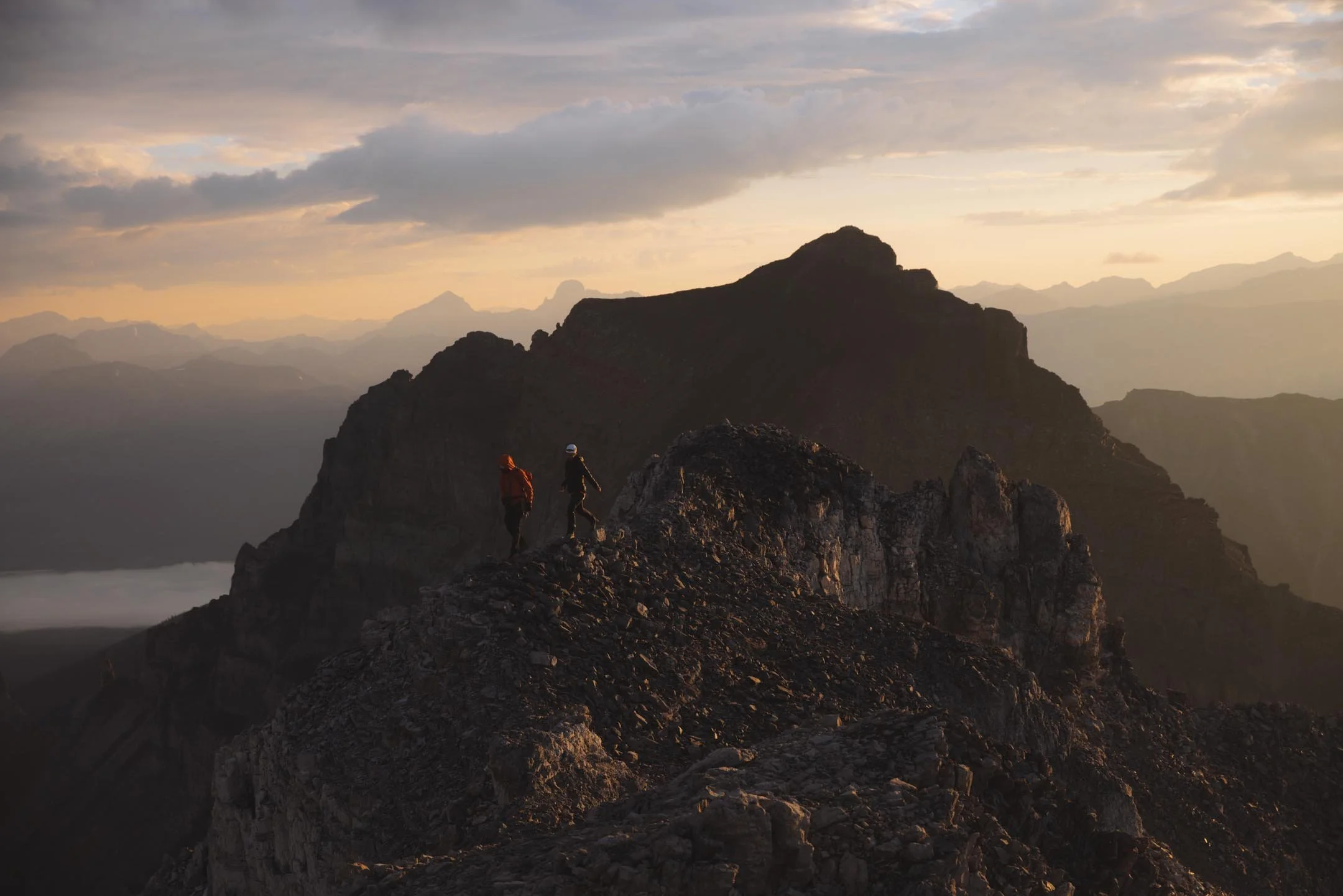
Mike and I decided to take a private course with Cloud Nine Guides based in Canmore, Alberta. It was Mike, myself and our guide Vincent and we ended up condensing the 6-day course into five to accommodate everyone’s schedule. As we knew we would be primarily using the skills learned in the Canadian Rockies we knew it would make the most sense to go with a guiding company local to the mountains as they will have the most robust knowledge of the area. We were also able to ask a lot of location specific questions including objectives that, after spending the week together, would be within our skillset.
Questions to ask yourself and the guiding company to find the right fit:
How long has they been in business - maybe ask to chat with former clients to learn their experience.
Which guide will be leading the trip and their credentials - how long have they been guiding, have they taught the course before.
Are they permitted to guide in the area - where will the course take place?
What skills are guaranteed to be taught, what additional skills will be taught if time permits
What the group size will be. As everyone is together, the larger the group the higher the chance of not summiting or not acquitting all skills. It may be worth having a private group if there are 4+ of you in the case of Cloud Nine.
As for which company, we researched, read a lot of reviews and asked some of our friends in the mountaineering space. All of our roads led back to Cloud Nine and we could not be happier with our decision. And if you are financially able, or have a large enough group, going with a private guide allows you to build a course around your own skillset and pivot plans more easily. We were able to both condense the course to fit our schedules a little bit better while also learning all of the skills. We watched the weather and changed our objectives to meet both our timeline, skillsets and needs (for Mike and I this did include taking great photos and building time into our schedule for that).

As a note : if I were to go on a course alone or with a group of all women I likely would request a female guide.

My mountaineering gear:
Crampons:
Climbing Helmet
Ice Axe
Harness
Belay Device
Carabiners
Slings
Accessory Cord
Mountaineering Boots
Here is some info on Sizing Mountaineering Boots - different brands have different fits. I'd recommend looking into the following.
La Sportiva Nepal Cube GTX (a warmer, heavier option)
La Sportiva Trango Tower GTX (3-season boot)
La Sportiva Trango Cube GTX (Recommended 3-season boot if La Sportiva is best fit)
SCARPA Ribelle HD (good 3-season boot from Scarpa)
Mammut Tais Tour GTX (good 3-season boot from Mammut)
Salewa Raven 3 GTX (good 3-season boot from Salewa)
Trinkets
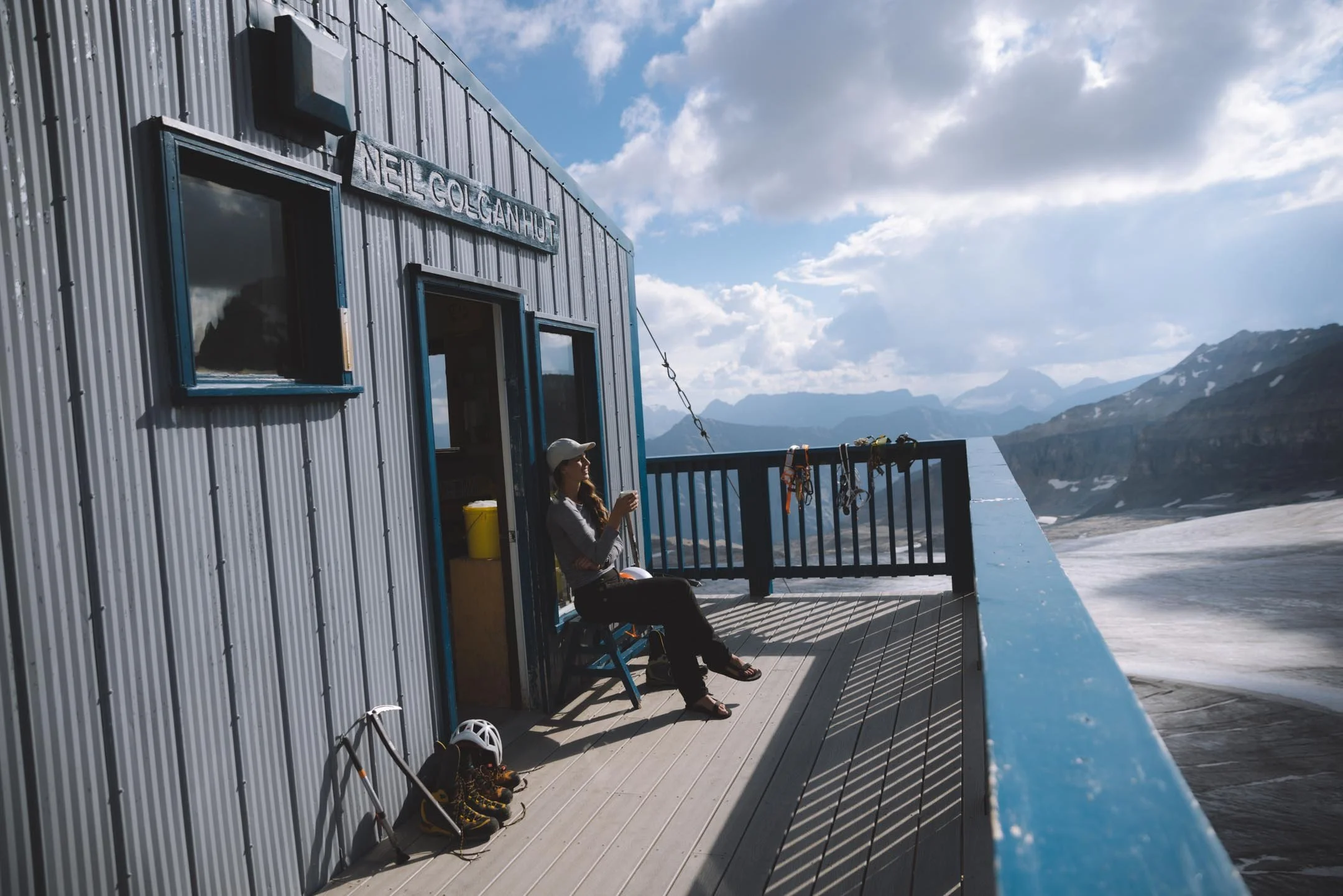
*Please note that some of the links above are affiliate links, and I may earn a small commission on any purchase made - at no additional cost to you. As always, all ideas and opinions expressed in this post are entirely my own. Thank you for your support!